Introduction
Classic cars are more than just vehicles; they are treasures that carry history, character, and unique craftsmanship. To keep these beautiful machines running smoothly and looking their best, regular inspections are crucial. In this article, we’ll explore why routine checks are essential for maintaining the value, performance, and safety of your classic car. By following a structured inspection routine, you can ensure your vintage vehicle remains in top condition, preserving its legacy for years to come. in this article, we mainly focus on classic car inspection things to do and will go through more details for every part.
Importance of Regular Inspections for Classic Cars
Regular inspections are the backbone of classic car maintenance. These cars often have unique parts that require special attention, and neglecting routine checks can lead to expensive repairs and even safety hazards. Inspections help in identifying small issues before they become big problems, allowing you to address them promptly. For instance, a minor oil leak might seem insignificant at first, but if left unchecked, it could lead to severe engine damage. Regular inspections also play a vital role in maintaining the car’s value. A well-maintained classic car is not only a pleasure to drive but also a valuable asset.
Why regular classic car Inspection Matters
Regular inspections are essential for maintaining the longevity and performance of your classic car. They not only help to keep the vehicle in top condition but also prevent potential problems that could lead to costly repairs, ensure safety on the road, and preserve the car’s value over time. Therefore, classic car inspection is a must for every classic car.
Preventing Costly Repairs
One of the most significant benefits of regular inspections is the ability to identify and address issues before they become major problems. For example, during an inspection, you might notice small signs of rust or corrosion. If caught early, these can be treated easily, saving you from expensive bodywork repairs later. Regularly checking the engine, transmission, and other mechanical components can help detect wear and tear before they lead to engine failure or transmission issues. By staying on top of these inspections, you can avoid the high costs associated with major repairs and keep your classic car running smoothly.
Ensuring Safety on the Road
Safety is paramount, especially when driving a classic car that may not have the same modern safety features as newer vehicles. Regular inspections ensure that all safety systems, including brakes, tires, lights, and seatbelts, are functioning correctly. For instance, worn brake pads can lead to reduced braking efficiency, increasing the risk of accidents. By conducting routine checks, you can ensure that your classic car remains safe to drive, protecting both you and others on the road.
Preserving Vehicle Value
Classic cars are not just vehicles; they are valuable investments. Regular inspections play a crucial role in preserving the car’s value over time. A well-maintained classic car with a documented history of regular inspections and maintenance will command a higher resale value. Potential buyers are more likely to invest in a vehicle that has been meticulously cared for, with records showing regular inspections, rust prevention, and mechanical upkeep. By committing to regular inspections, you protect your investment and ensure that your classic car retains its value for years to come.
Key Areas to Inspect in a Classic Car
Engine and Mechanical Components
The heart of your classic car lies within its engine and mechanical components. Regularly checking these areas ensures that your vehicle runs smoothly and efficiently, reducing the risk of breakdowns and costly repairs. Each component in this section works in harmony to keep your classic car on the road.
Engine Oil and Filter
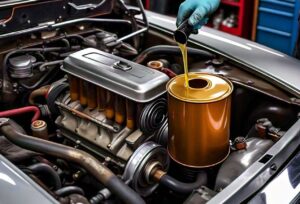
The engine oil and filter are crucial for lubricating the engine’s moving parts and preventing wear and tear. Over time, oil becomes contaminated with dirt, debris, and combustion by-products, which can cause engine damage. Regular oil changes, typically every 3,000 to 5,000 miles or as recommended by your vehicle’s manufacturer, are essential for keeping your engine in top condition. When changing the oil, always replace the oil filter to ensure that clean oil circulates through the engine.
If you want to know more about “Engine Oil”, you can read this article.
Cooling System
The cooling system prevents your engine from overheating by circulating coolant through the engine and radiator. Regularly inspect the coolant level and top it up if necessary. Check for any leaks in the radiator, hoses, and water pump, as leaks can lead to overheating. Flushing and replacing the coolant every two years helps maintain the cooling system’s efficiency and prevents corrosion within the engine.
Transmission Fluid
Transmission fluid lubricates the gears and components within the transmission, ensuring smooth gear shifts. Low or dirty transmission fluid can cause gear slipping, rough shifts, or even transmission failure. Regularly check the transmission fluid level using the dipstick and look for any discoloration or burnt smell, which indicates that the fluid needs to be replaced. Depending on the type of transmission, the fluid should be changed every 30,000 to 60,000 miles.
Belts and Hoses
Belts and hoses play a vital role in the operation of various engine components, including the alternator, water pump, and air conditioning system. Over time, belts can become cracked or frayed, while hoses may develop leaks or become brittle. Regularly inspect belts and hoses for signs of wear and replace them if necessary. It’s also a good idea to check the tension of the belts to ensure they are not too loose or too tight.
Exterior and Bodywork
The exterior and bodywork of your classic car are not only about aesthetics but also about protecting the vehicle from environmental damage. Regular inspections help preserve the car’s original beauty and prevent costly repairs.
Paint and Rust Inspection
The paintwork on a classic car is one of its most defining features. Over time, however, paint can fade, chip, or peel, exposing the metal underneath to rust. Regularly inspect the paint for any signs of damage, particularly around edges, wheel wells, and areas prone to stone chips. Rust can spread quickly, so it’s essential to address any rust spots as soon as they appear. For rust prevention and treatment, consider applying a rust inhibitor and touching up paint as needed.
Tire Condition and Alignment
Tires are the only part of your car that makes contact with the road, so their condition is critical. Regularly check the tires for tread wear, cracks, or bulges. Uneven wear can indicate misalignment, which should be corrected to prevent further tire damage and ensure safe handling. Additionally, check the tire pressure regularly, as underinflated or overinflated tires can affect fuel efficiency and driving comfort.
Lighting and Electrical System
The lighting and electrical system of a classic car may be more prone to issues due to aging wiring and components. Regularly check all lights, including headlights, taillights, brake lights, and indicators, to ensure they are functioning correctly. Inspect the wiring for any signs of wear or corrosion, and replace any faulty bulbs or fuses. Maintaining the electrical system is essential for both safety and compliance with road regulations.
Interior and Comfort
The interior of a classic car is where you spend your time driving, so it’s important to keep it in good condition. Regular inspections help maintain comfort and safety inside the vehicle.
Upholstery and Dashboard
The upholstery and dashboard are key elements of your car’s interior. Regularly inspect the upholstery for any tears, stains, or fading, and clean it with products designed for your specific material, whether leather, vinyl, or fabric. The dashboard, often exposed to sunlight, can crack or fade over time. Use a UV-protectant cleaner to maintain its condition and prevent sun damage.
For more information regarding the upholstery and dashboard, read this article.
Air Conditioning and Heating Systems
Even if you don’t use your air conditioning or heating systems frequently, it’s essential to ensure they are in working order. Regularly check the system’s operation, including the blower fan, vents, and temperature controls. If the system is not blowing cold or hot air as expected, it may need a refrigerant top-up or other maintenance.
Safety Equipment (Seatbelts, etc.)
Safety is paramount, even in a classic car. Regularly inspect seatbelts for fraying or wear, and ensure that the buckles latch securely. If your car is equipped with airbags or other safety features, have them inspected to ensure they are functioning correctly. For safety equipment checks, consider adding or upgrading safety features, such as installing modern seatbelts if your car is not equipped with them.
If you would like to know more about safety equipment in you classic car, read this article.
Creating an Inspection Schedule
When it comes to maintaining your classic car, having a clear inspection schedule is key. This schedule will ensure that your vehicle stays in top condition and that any issues are caught early. Here’s how to create an effective inspection schedule:
Frequency of Inspections Based on Usage
The frequency of your inspections should depend on how often you drive your classic car. If you drive it regularly, such as weekly or monthly, it’s wise to perform a basic inspection every month. This should include checking the engine oil, coolant levels, tires, and lights. For those who drive their classic car less often, such as only during special occasions or seasonal events, an inspection before and after each use is recommended. This approach helps ensure that your vehicle is always ready for the road and any potential issues are addressed promptly.
Tip: For daily drivers, a more thorough inspection should be scheduled every three to six months, while for rarely driven vehicles, a detailed check every six months is advisable.
Seasonal Inspection Considerations
Classic cars often face different challenges depending on the season. For instance, winter can bring moisture that may lead to rust, while summer heat can strain the cooling system. Therefore, it’s important to adjust your inspection routine based on the season.
- Spring: Focus on checking the battery, as it may have drained over the winter. Also, inspect the tires and brakes for any wear that might have occurred during storage.
- Summer: Ensure the cooling system is in top shape to prevent overheating. Check the air conditioning as well, especially if it’s used frequently.
- Fall: Before storing your vehicle for winter, perform a thorough inspection, including checking for rust, cleaning the interior, and ensuring the engine is properly maintained.
- Winter: If you drive your classic car in winter, focus on preventing rust by regularly washing and waxing the exterior. For stored cars, periodically start the engine to keep it in good condition.
Setting Up Reminders and Record Keeping
Keeping track of your inspection schedule is crucial to maintaining your classic car. Setting up reminders can be done easily using a calendar app on your phone or computer. You can set reminders for monthly, seasonal, or annual inspections. Additionally, maintaining a detailed log of all inspections and maintenance work will help you track your vehicle’s history and plan future maintenance.
Tip: Record the date of each inspection, what was checked, and any actions taken. This will make it easier to identify recurring issues and ensure nothing is overlooked.
DIY vs. Professional Classic Car Inspections
What You Can Check at Home
As a classic car owner, there are several maintenance checks you can easily perform at home to keep your vehicle in good condition. These tasks are straightforward and require basic tools, making them perfect for routine inspections between professional visits.
- Fluid Levels and Condition: Regularly check the engine oil, coolant, transmission fluid, brake fluid, and power steering fluid. Ensure they are at the correct levels and inspect for any signs of contamination or unusual color, which could indicate potential issues.
- Tire Condition and Pressure: Inspect your tires for wear and tear, and ensure they have the correct pressure. Look for uneven wear, cracks, or bulges, which could suggest alignment issues or the need for new tires.
- Battery Health: Check the battery terminals for corrosion and ensure they are tightly connected. Test the battery’s charge using a voltmeter, especially if the car has been sitting for a while.
- Lighting and Electrical Systems: Test all lights, including headlights, taillights, brake lights, and turn signals, to ensure they are functioning properly. Replace any burnt-out bulbs and inspect the wiring for signs of wear or damage.
- Exterior Inspection: Regularly inspect the paintwork and body panels for rust, chips, or scratches. Address any issues early to prevent further deterioration.
- Interior Check: Keep the interior clean and inspect the upholstery, dashboard, and carpets for wear and tear. Ensure all controls, such as the air conditioning and heating systems, are working as they should.
When to Seek Professional Help
While many tasks can be managed at home, some inspections require the expertise of a professional mechanic who specializes in classic cars. Recognizing when to seek professional help can save you time, money, and potential headaches down the road.
- Engine Diagnostics: If you notice unusual noises, reduced performance, or warning lights on the dashboard, it’s time to consult a professional. They have the diagnostic tools needed to accurately identify and address issues that may not be visible during a basic inspection.
- Brake System Overhaul: Although you can check brake fluid levels at home, a professional should inspect the brake pads, rotors, and calipers regularly. They can ensure the entire brake system is functioning correctly, which is critical for your safety.
- Suspension and Alignment Issues: If you experience a bumpy ride, uneven tire wear, or the car pulling to one side, it’s essential to have a professional examine the suspension and alignment. Proper equipment is required to make precise adjustments and repairs.
- Electrical System Repairs: Complex electrical issues, such as wiring faults or problems with the car’s electrical system, should be handled by a specialist. Incorrect repairs can lead to further damage or even pose safety risks.
- Rust and Bodywork Repairs: While minor rust spots can be managed at home, extensive rust or bodywork issues require professional attention. They have the tools and expertise to properly repair and restore the vehicle’s exterior without compromising its integrity.
Benefits of Professional Inspections
Incorporating professional inspections into your regular maintenance routine offers several benefits, ensuring your classic car remains in peak condition.
- Expertise and Knowledge: Professional mechanics have extensive knowledge and experience with classic cars. They understand the unique needs of these vehicles and can spot potential problems that might be overlooked during a DIY inspection.
- Access to Specialized Equipment: Professionals use advanced diagnostic tools and equipment that aren’t typically available to the average car owner. This allows for more thorough inspections and precise repairs.
- Comprehensive Care: A professional inspection covers every aspect of your classic car, from mechanical components to bodywork. This comprehensive approach ensures that any underlying issues are addressed, helping to prevent more significant problems in the future.
- Maintaining Vehicle Value: Regular professional inspections and maintenance help preserve the value of your classic car. Well-maintained vehicles are more desirable in the market, and detailed service records from a reputable mechanic can further enhance your car’s value.
- Peace of Mind: Knowing that your classic car has been thoroughly inspected and maintained by a professional gives you confidence when driving, especially on long trips or when showcasing your vehicle.
Comprehensive Classic Car Inspection Checklist
Regular inspections are crucial to maintaining your classic car’s performance and longevity. This detailed checklist covers all the essential areas to ensure your vehicle remains in top condition. Follow this guide to perform thorough inspections and address any issues before they become major problems.
Engine and Mechanical Components
- Engine Oil and Filter: Check the oil level and quality. Look for any signs of contamination or low levels. Change the oil and filter as per the manufacturer’s guidelines.
- Cooling System: Inspect the coolant level and condition. Look for any leaks in the radiator, hoses, and water pump. Ensure the coolant is within the recommended range and top it up if necessary.
- Transmission Fluid: Check the transmission fluid level and quality. It should be clean and at the correct level. If it appears dirty or low, consider a fluid change.
- Belts and Hoses: Inspect all belts and hoses for cracks, fraying, or signs of wear. Replace any that show damage to prevent breakdowns.
Exterior and Bodywork
- Paint and Rust Inspection: Carefully inspect the car’s exterior for any signs of rust or paint damage. Pay special attention to areas around the wheel wells, undercarriage, and door sills. Address any rust spots immediately to prevent further damage.
- Tire Condition and Alignment: Check the tires for wear, cracks, or bulges. Ensure that the tread depth is within safe limits. Also, check for proper wheel alignment to avoid uneven tire wear.
- Lighting and Electrical System: Test all lights, including headlights, taillights, turn signals, and brake lights. Ensure that they are functioning correctly. Check the battery terminals for corrosion and ensure a secure connection.
Interior and Comfort
- Upholstery and Carpet Care: Inspect the seats, carpets, and floor mats for wear, stains, or damage. Clean and condition the upholstery as needed. Ensure that carpets are free from moisture to prevent mold growth.
- Dashboard and Instrument Panel: Check that all gauges and instruments are working correctly. Look for any cracks or damage to the dashboard. Clean the surfaces and ensure they are dust-free.
- Air Conditioning System: Test the air conditioning and heating systems. Ensure that the airflow is strong and that the system is cooling or heating as expected. Check for any unusual noises or smells.
Safety Equipment
- Seatbelt Inspection: Check all seatbelts for signs of wear or damage. Ensure that they retract smoothly and latch securely. Replace any seatbelts that show signs of fraying or malfunction.
- Safety Gear: Inspect the fire extinguisher, first aid kit, and any other safety equipment in the vehicle. Ensure that they are up to date and in good working condition.
Conclusion
Regular inspections are the cornerstone of maintaining the longevity, safety, and value of your classic car. By dedicating time to a consistent inspection routine, you not only catch potential issues before they become costly repairs but also ensure that your vintage vehicle remains roadworthy and enjoyable for years to come. Throughout this guide, we’ve explored essential areas to inspect, such as the engine, bodywork, and interior components, all of which play a vital role in the overall health of your car.
Remember, whether you’re conducting these inspections yourself or enlisting the help of a professional, the key is consistency. A well-maintained classic car not only retains its value but also provides a smoother, more reliable driving experience. The detailed inspection checklist we’ve provided can be your go-to resource for staying on top of your car’s maintenance needs.
To sum up, regular inspections are not just a routine task but an investment in the future of your classic car. Keep up with these inspections, and you’ll continue to enjoy the unique charm and performance that only a classic car can offer.