Introduction
Importance of Safety in Classic Cars
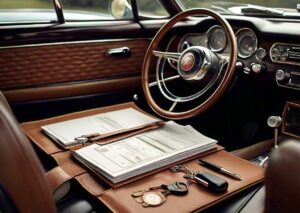
Classic cars hold a special place in the hearts of enthusiasts. They are cherished for their history, beauty, and unique charm. However, ensuring the safety of these vintage vehicles is crucial. Unlike modern cars, classic cars often lack advanced safety features, making regular safety checks and maintenance vital. There is a very close relationship between safety and classic car safety equipment. Therefore, you should be prepared to purchase the equipment needed for the safety of your vehicle.
Safety in classic cars is important for several reasons. First, it protects the occupants. Proper seatbelts and safety gear can prevent serious injuries in case of an accident. Second, it helps preserve the car. Keeping the safety equipment in good condition ensures that the vehicle remains roadworthy and maintains its value.
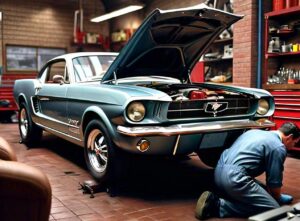
Regular safety inspections can identify potential problems before they become serious. This proactive approach can save time and money in the long run. By taking care of safety equipment, you are also taking care of your classic car.
Overview of Key Safety Equipment and Inspections
When it comes to classic car safety, several key components need regular inspection and maintenance. Seatbelts are one of the most important safety features. They should be checked for wear and tear, proper function, and secure attachment. If a seatbelt shows signs of damage, it should be replaced immediately.
In addition to seatbelts, other safety equipment should be inspected. This includes safety gear like fire extinguishers, first aid kits, and emergency tools. Ensuring that all safety gear is present and in good working order is essential for any classic car owner.
Regular safety inspections should also include checking the car’s lighting system, brakes, tires, and suspension. These components are crucial for safe driving and should be maintained in top condition. A comprehensive safety inspection checklist can help keep track of all necessary checks and ensure nothing is overlooked.
By focusing on these key areas, you can enhance the safety of your classic car and enjoy it with peace of mind. In the following sections, we will delve deeper into each aspect of classic car safety equipment and inspections, providing detailed guidance to help you maintain your vehicle’s safety features effectively.
Understanding Classic Car Safety Equipment
Types of Safety Equipment in Classic Cars
Classic cars, cherished for their nostalgic charm and vintage appeal, often lack the modern safety features we take for granted today. However, ensuring the safety of these vehicles is crucial. Here’s an overview of the essential safety equipment commonly found in classic cars:
- Seatbelts: Initially, many classic cars did not come with seatbelts. Over the years, owners have retrofitted them to enhance safety.
- Steering Wheels with Impact Absorption: Early steering wheels were rigid, but later models incorporated impact-absorbing designs to reduce injury in collisions.
- Windshield Safety Glass: Classic cars typically use laminated glass to prevent shattering upon impact.
- Braking Systems: Drum brakes were standard in older models, though some classic cars have been upgraded to disc brakes for improved stopping power.
- Turn Signals and Brake Lights: Essential for communication on the road, these were basic but crucial safety features.
- Side Mirrors and Rearview Mirrors: These help drivers maintain situational awareness and reduce blind spots.
Differences Between Modern and Vintage Safety Features
While classic cars are celebrated for their design and historical significance, their safety features differ significantly from modern vehicles. Understanding these differences can help in maintaining and upgrading classic cars without compromising their authenticity.
- Seatbelts:
- Vintage: Early models often lacked seatbelts, or they were optional.
- Modern: All vehicles come with three-point seatbelts, sometimes with pretensioners and force limiters.
- Braking Systems:
- Vintage: Drum brakes were standard, requiring more frequent maintenance and offering less stopping power.
- Modern: Disc brakes, often with anti-lock braking systems (ABS), provide better performance and safety.
- Structural Integrity:
- Vintage: Classic cars have rigid frames, which can transmit the force of a collision to occupants.
- Modern: Crumple zones and reinforced passenger compartments absorb impact, protecting passengers.
- Airbags:
- Vintage: No airbags were available in classic cars.
- Modern: Front, side, and curtain airbags are standard, significantly enhancing occupant safety.
- Electronic Stability Control:
- Vintage: Absent in classic cars.
- Modern: This feature helps maintain control during abrupt maneuvers.
Seatbelt Inspection and Maintenance
Importance of Seatbelt Checks
Seatbelts are vital for safety in classic cars. Regular checks ensure they function properly and provide protection during accidents. Inspecting seatbelts helps identify wear and tear, ensuring they can secure passengers effectively. This section emphasizes why seatbelt maintenance is crucial for the safety of your vintage vehicle.
Step-by-Step Guide to Inspecting Seatbelts
1. Gather Necessary Tools:
- A flashlight
- A mirror
- Clean cloths
- A small brush
2. Visual Inspection:
- Check Webbing: Look for frays, cuts, and abrasions. Ensure the webbing is not stretched or damaged. (Insert Picture: Close-up of seatbelt webbing showing no signs of damage)
- Inspect Stitching: Examine the stitching for loose threads or signs of wear.
- Buckle Condition: Ensure the buckle is free from cracks and the release button works smoothly.
3. Functionality Test:
- Extend and Retract: Pull the seatbelt out fully and let it retract. It should move smoothly without sticking.
- Latch and Release: Buckle the seatbelt and pull on it to ensure it locks securely. Press the release button to confirm it unlatches without hesitation. (Insert Picture: Hands demonstrating buckling and releasing seatbelt)
4. Check Anchor Points:
- Anchor Bolts: Use a flashlight and mirror to inspect the bolts securing the seatbelt to the car frame. They should be tight and free from rust.
- Mounting Hardware: Ensure all mounting hardware is intact and not corroded.
5. Clean and Maintain:
- Clean Webbing: Wipe down the seatbelt webbing with a damp cloth and mild soap. Avoid harsh chemicals that can weaken the material.
- Lubricate Buckle: If the buckle mechanism is stiff, use a small amount of silicone spray to lubricate it.
Common Issues and How to Address Them
1. Frayed or Damaged Webbing:
- Issue: Frayed or cut webbing weakens the seatbelt’s strength.
- Solution: Replace the seatbelt immediately if any damage is found. Refer to Step-by-Step Guide to Inspecting Seatbelts for how to check webbing.
2. Sticking or Slow Retraction:
- Issue: Seatbelt does not retract smoothly.
- Solution: Clean the webbing and check for obstructions. If the problem persists, the retractor mechanism may need to be serviced or replaced.
3. Faulty Buckle:
- Issue: Buckle does not latch or release properly.
- Solution: Inspect the buckle for debris and clean it. If the buckle remains faulty, replace it to ensure proper functionality.
4. Rusted Anchor Points:
- Issue: Rust can weaken the anchor points.
- Solution: Inspect anchor points regularly. If rust is found, clean it with a wire brush and apply rust inhibitor. Replace any severely rusted components.
Inspecting Safety Gear for Classic Cars
List of Essential Safety Gear
- Seatbelts: Standard three-point seatbelts or upgraded safety harnesses.
- Fire Extinguisher: Easily accessible and regularly inspected fire extinguisher.
- First Aid Kit: Complete and up-to-date first aid kit.
- Reflective Triangles or Flares: For use in case of breakdowns or emergencies.
- Emergency Tool Kit: Basic tools for minor repairs and maintenance.
- Spare Tire and Jack: Properly inflated spare tire and a functional jack.
- Gloves and Safety Glasses: Protective gear for handling emergencies or repairs.
- Battery Cut-off Switch: Prevents electrical fires or theft.
- Horn and Lights: Functioning horn and lights, including headlights, brake lights, and turn signals.
How to Inspect and Maintain Each Piece of Equipment
Seatbelts:
- Inspect for fraying, cuts, or damage.
- Test the buckle and retractor for smooth operation.
- Clean with mild soap and water, avoiding harsh chemicals.
Fire Extinguisher:
- Check the pressure gauge to ensure it’s in the green zone.
- Inspect for visible damage or corrosion.
- Ensure it’s securely mounted and easily accessible.
First Aid Kit:
- Open the kit and verify that all items are present and unexpired.
- Replace any missing or expired items.
- Store the kit in a dry, easily accessible location.
Reflective Triangles or Flares:
- Check for any damage or missing pieces.
- Ensure they are stored in an accessible location.
Emergency Tool Kit:
- Verify that all essential tools are present and in good condition.
- Replace any worn or missing tools.
- Store the kit in a secure, accessible location.
Spare Tire and Jack:
- Inspect the spare tire for proper inflation and tread condition.
- Ensure the jack is functional and in good condition.
Gloves and Safety Glasses:
- Check for any damage or wear.
- Replace as necessary to ensure protection during use.
Battery Cut-off Switch:
- Test the switch to ensure it operates smoothly.
- Inspect the connections for corrosion or wear.
Horn and Lights:
- Test the horn to ensure it’s loud and clear.
- Check all lights, including headlights, brake lights, and turn signals, for proper operation.
- Replace any burnt-out bulbs.
Replacing Outdated or Worn-Out Safety Gear
- Seatbelts: Replace frayed or damaged seatbelts with new ones that meet current safety standards. Ensure they are properly installed by a professional.
- Fire Extinguisher: Replace any fire extinguisher that shows signs of damage or has a low pressure reading. Select one appropriate for automotive use.
- First Aid Kit: Regularly update the first aid kit by replacing expired items. Consider including additional items recommended by health professionals.
- Reflective Triangles or Flares: Replace any damaged or missing reflective triangles or flares to ensure visibility during emergencies.
- Emergency Tool Kit: Continuously update the tool kit with high-quality tools. Replace any worn or broken tools to ensure reliability.
- Spare Tire and Jack: Regularly check the spare tire for proper inflation. Replace the jack if it shows signs of wear or damage.
- Gloves and Safety Glasses: Keep multiple pairs of gloves and safety glasses on hand, replacing any that become worn or damaged.
- Battery Cut-off Switch: Replace the switch if it shows signs of corrosion or fails to operate smoothly. Ensure the replacement is compatible with your vehicle.
- Horn and Lights: Regularly test and replace the horn and light bulbs as needed. Consider upgrading to modern, more reliable components if appropriate.
Safety Features in Vintage Vehicles
Overview of Safety Features Specific to Vintage Cars
Vintage cars, while celebrated for their classic charm and historical value, often lack the modern safety features we take for granted today. Here are some common safety features found in vintage vehicles:
- Seatbelts: Many classic cars originally came with lap belts, which are less effective than the three-point seatbelts found in modern cars.
- Steel Frames: Classic cars typically have robust steel frames that provide some level of crash protection.
- Manual Brakes: Unlike the advanced braking systems in modern cars, vintage cars often rely on manual brakes, which require more force and offer less stopping power.
- Basic Lighting Systems: Simple headlamps and taillights without advanced features like automatic dimming or LED technology.
- Basic Safety Glass: Windshields and windows made of less advanced glass that can shatter more easily in an accident.
Enhancing Safety Without Compromising Authenticity
While it is essential to enhance safety in vintage vehicles, maintaining their authentic look and feel is equally important for classic car enthusiasts. Here are some ways to improve safety without compromising authenticity:
- Upgrading Seatbelts: Replace lap belts with modern three-point seatbelts. These can often be installed without significant alterations to the car’s interior.
- Improving Braking Systems: Upgrade to a dual-circuit braking system, which can provide better stopping power and safety. This can often be done discreetly, keeping the original appearance intact.
- Adding Discreet Safety Features: Install safety features like roll bars or reinforced door panels in a way that they are not easily visible, preserving the car’s original look.
- Enhanced Lighting: Replace original bulbs with modern, brighter bulbs or LED alternatives that fit the existing fixtures.
- Safety Glass Upgrade: Replace original glass with laminated safety glass that offers better protection while maintaining the classic appearance.
If you want to know more about maintaining Dashboard and Instrument Panel, click here.
Retrofitting Modern Safety Features into Classic Cars
For those looking to integrate modern safety features into their vintage vehicles, retrofitting can be an excellent option. Here are some suggestions:
- Installing Airbags: Although challenging, installing airbags can significantly enhance safety. This typically requires professional assistance to ensure proper integration and functionality.
- Modern Brake Systems: Upgrading to an anti-lock braking system (ABS) can prevent wheel lock-up during sudden stops, providing better control.
- Electronic Stability Control (ESC): This system helps maintain control during extreme steering maneuvers. Retrofitting ESC requires detailed customization but greatly improves safety.
- Backup Cameras and Sensors: Adding a backup camera and parking sensors can prevent accidents during parking. These can be installed in a way that minimizes changes to the car’s exterior look.
- Modern Seat Restraints: Upgrading to modern seat restraints, including better seat anchors and child seat compatibility, can be done without significant interior changes.
Classic Car Safety Inspection Checklist
Comprehensive Checklist for Safety Inspections
Inspecting the safety of your classic car is crucial for ensuring it is roadworthy. Below is a comprehensive checklist to guide you through a thorough safety inspection:
- Seatbelt Check:
- Inspect seatbelts for fraying or wear.
- Ensure buckles latch and release properly.
- Test retractors to confirm they function smoothly.
- Brake System Inspection:
- Check brake pads and discs for wear.
- Inspect brake lines for leaks or damage.
- Test brake fluid levels and quality.
- Lighting System Check:
- Test all lights, including headlights, brake lights, and indicators.
- Ensure all bulbs are functioning and bright.
- Inspect wiring for signs of wear or damage.
- Tire Maintenance:
- Check tire tread depth.
- Inspect tires for cracks, bulges, or punctures.
- Verify tire pressure is at the recommended level.
- Battery and Electrical System:
- Inspect battery terminals for corrosion.
- Test battery voltage and charging system.
- Check wiring and connections for wear.
- Steering and Suspension System:
- Inspect steering components for wear or damage.
- Test suspension for proper function.
- Check for unusual noises when steering or driving over bumps.
- Exhaust System:
- Inspect exhaust pipes and mufflers for leaks or damage.
- Ensure all mounting brackets are secure.
- Fluid Levels and Leaks:
- Check levels of engine oil, coolant, transmission fluid, and brake fluid.
- Inspect for any fluid leaks under the car.
- Safety Equipment:
- Verify the presence and condition of fire extinguishers.
- Check for a well-stocked first aid kit.
- Ensure emergency warning triangles are in good condition.
- Window and Windshield Integrity:
- Inspect for cracks or chips.
- Test the function of wipers and washers.
- Ensure windows operate smoothly.
Frequency of Inspections
Regular inspections are key to maintaining the safety of your classic car. Here’s a suggested schedule:
- Monthly Checks:
- Tire pressure
- Fluid levels
- Lights and indicators
- Quarterly Checks:
- Brakes
- Seatbelts
- Battery and electrical system
- Biannual Checks:
- Full safety inspection as per the comprehensive checklist
- Professional inspection (if doing DIY)
If your interested to know more about Upholstery and Carpet care of your classic car, click here.
Professional Inspection vs. DIY Inspection
Maintaining your classic car can be a fulfilling DIY project, but knowing when to seek professional help is crucial. There are thousands people offering their professional services online on “google” for instance, that you can go and check them out if you ever need to.
DIY Inspection:
- Pros:
- Cost-effective
- Immediate attention to minor issues
- Greater understanding of your vehicle
- Cons:
- Requires time and tools
- Potential for missed issues without professional expertise
Professional Inspection:
- Pros:
- Expert knowledge and tools
- Comprehensive diagnostics
- Peace of mind
- Cons:
- Higher cost
- Less personal involvement
For detailed tasks like brake system checks, electrical diagnostics, and advanced suspension inspections, consider a professional inspection. For regular checks like fluid levels and tire pressure, a DIY approach is usually sufficient.
Conclusion
Recap of Key Points
In this guide, we explored the crucial aspects of maintaining safety in classic cars. First, we discussed the importance of regular seatbelt inspections and maintenance, emphasizing how this basic yet vital safety feature can prevent serious injuries. Next, we covered the inspection and upkeep of other essential safety equipment, ensuring your vintage vehicle is equipped with the necessary gear to keep you safe. We also examined safety features specific to classic cars, highlighting how to enhance safety without compromising the car’s authenticity. Finally, we provided a comprehensive checklist for conducting thorough safety inspections, either professionally or as a DIY project.
Final Thoughts on Maintaining Safety in Classic Cars
Maintaining the safety of classic cars is not just about preserving the vehicle; it’s about protecting the driver and passengers. By regularly checking and maintaining seatbelts and other safety equipment, you can ensure that your classic car is safe to drive. Remember that safety should never be compromised, even in the pursuit of preserving the vintage charm of your vehicle.
Encouragement to Prioritize Safety in Classic Car Maintenance
We encourage all classic car owners to prioritize safety in their maintenance routines. Regular inspections and proper upkeep of safety equipment are essential. By following the guidelines in this guide, you can enjoy your classic car with peace of mind, knowing that you have taken the necessary steps to ensure its safety. Safety should always come first, so make it a habit to regularly check and maintain all safety features of your classic car.