Introduction
Maintaining the interior of a classic car is crucial for preserving its value, beauty, and authenticity. Classic car upholstery cleaning and carpet care for classic cars are essential tasks that ensure your vehicle remains in pristine condition, both inside and out. A well-maintained interior not only enhances the driving experience but also safeguards the car’s historical significance and market value. Unfortunately, there are not much information existing on Google about classic car maintenance, hence, we have gathered this article, hoping it helps those who are looking for information to preserve their classic cars.
In this article, we will cover the following topics to help you keep your classic car’s interior looking its best:
- Classic Car Upholstery Cleaning
- Upholstery Care for Vintage Cars
- Carpet Care for Classic Cars
- Interior Detailing for Classic Cars
- Antique Car Interior Care
Each section will provide detailed, step-by-step instructions and tips on how to effectively maintain your classic car’s interior. From choosing the right cleaning products to protecting your upholstery and carpets from damage, we will guide you through the process of keeping your classic car’s interior in top-notch condition.
Understanding the importance of these tasks and how to perform them correctly will help you preserve the elegance and authenticity of your classic car. By following the advice in this article, you can ensure that your classic car remains a timeless masterpiece, admired by all who see it.
Section 1: Classic Car Upholstery Cleaning
Choosing the Right Cleaning Products
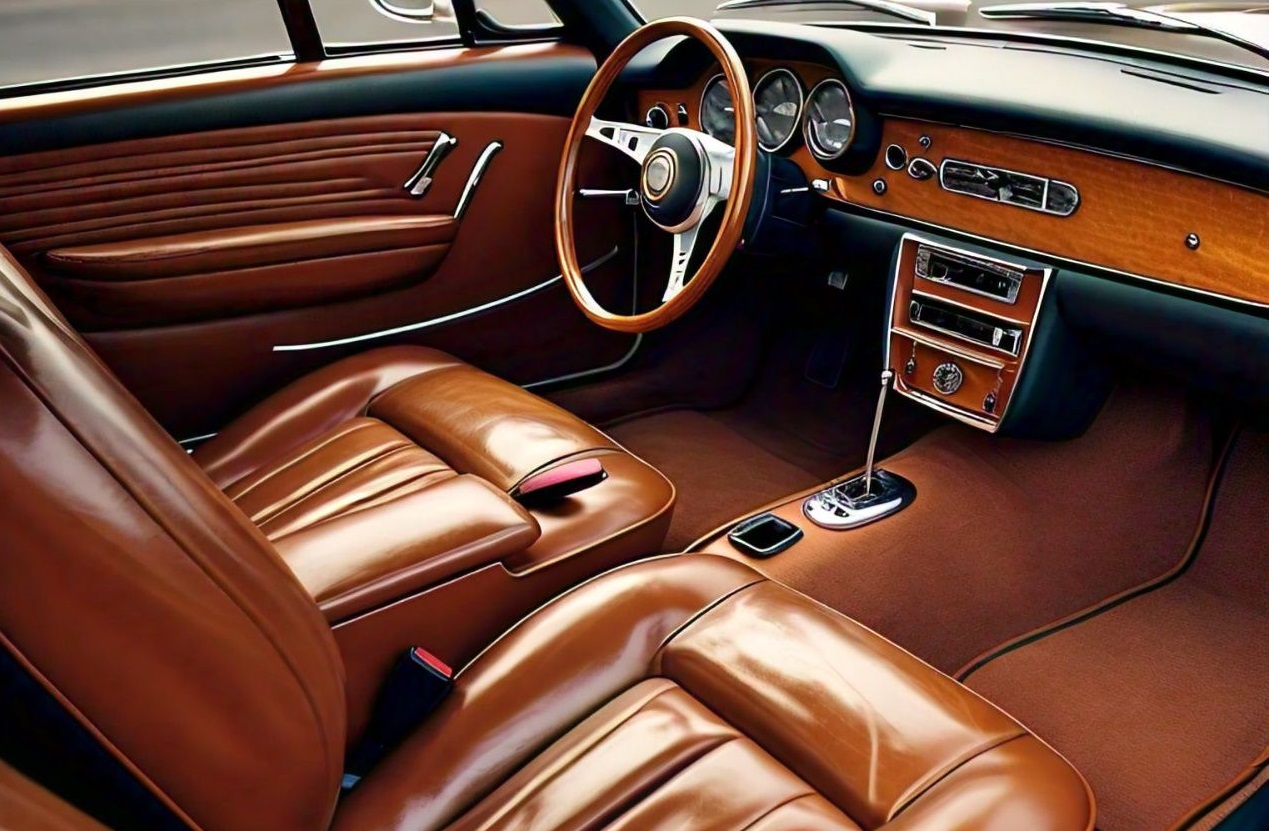
When it comes to classic car upholstery cleaning, choosing the right products is crucial. Using inappropriate products can damage the material and reduce the car’s value. Here are some tips:
- Leather Upholstery: Use a pH-balanced leather cleaner and conditioner. Avoid harsh chemicals that can dry out or crack the leather.
- Fabric Upholstery: Opt for a fabric cleaner that is designed for automotive use. Ensure it is safe for the specific fabric type in your classic car.
- Vinyl Upholstery: Use a mild vinyl cleaner that can remove dirt without stripping the material. A vinyl protectant can also be used to keep the material supple and prevent cracking.
Click here if you want to know more about washing techniques of classic cars.
Step-by-Step Cleaning Process
Cleaning the upholstery of a classic car requires a careful and thorough approach. Follow these steps for effective cleaning:
- Vacuum the Upholstery: Start by vacuuming the entire interior to remove loose dirt and debris. Use a soft brush attachment to avoid scratching the surfaces.
- Test the Cleaner: Always test the cleaner on a small, hidden area first to ensure it does not cause discoloration or damage.
- Apply the Cleaner: Apply the appropriate cleaner to a soft cloth or sponge. Gently work it into the upholstery using circular motions.
- Wipe Down: After cleaning, use a clean, damp cloth to wipe down the upholstery, removing any residue.
- Dry the Upholstery: Allow the upholstery to air dry. For leather, follow up with a conditioner to keep the material soft and prevent cracking.
Tips for Different Upholstery Materials (Leather, Fabric, Vinyl)
Different materials require specific care techniques to maintain their appearance and longevity:
- Leather: Clean regularly with a leather cleaner and conditioner. Avoid direct sunlight and heat, which can cause the leather to fade and crack.
- Fabric: Clean spills immediately to prevent stains. Use a fabric protector to repel dirt and liquids.
- Vinyl: Clean with a vinyl-specific cleaner and protect with a vinyl conditioner. Avoid using abrasive tools that can scratch the surface.
Stain Removal Techniques
Removing stains from classic car upholstery can be challenging but is essential for maintaining its pristine condition. Here are some effective techniques:
- Leather Stains: Blot the stain immediately with a clean cloth. Use a leather cleaner specifically designed for stain removal. For tougher stains, a mixture of mild soap and water can be used, followed by a leather conditioner.
- Fabric Stains: Blot the stain with a clean cloth to absorb as much as possible. Use a fabric cleaner, applying it directly to the stain and gently working it in with a soft brush. Blot again with a clean cloth and allow to dry.
- Vinyl Stains: Clean the stain with a vinyl cleaner, applying it directly to the stain and scrubbing gently with a soft brush. Wipe with a damp cloth and allow to dry.
Section 2: Upholstery Care for Vintage Cars
Regular Maintenance Tips
Regular maintenance is key to keeping your vintage car’s upholstery in top condition. Here are some simple tips to follow:
- Vacuum Regularly: Use a vacuum cleaner with a soft brush attachment to remove dust and debris from the upholstery. Focus on crevices and seams where dirt can accumulate.
- Wipe Down Surfaces: Use a damp, soft cloth to wipe down leather or vinyl seats. For fabric upholstery, a dry cloth works best to prevent soaking.
- Spot Clean Immediately: Address spills and stains as soon as they occur. Use a mild upholstery cleaner or a mixture of water and vinegar for fabric seats. For leather, use a leather cleaner.
Protection and Conditioning of Upholstery
Protecting and conditioning your upholstery helps prolong its life and maintain its appearance:
- Use Protective Covers: When not in use, cover the seats with protective covers to prevent dust accumulation and UV damage.
- Apply Upholstery Protectant: Use a fabric or leather protectant to create a barrier against stains and spills. This makes cleaning easier and prevents damage.
- Condition Leather Regularly: For leather seats, apply a leather conditioner every few months. This keeps the leather supple and prevents it from cracking.
Handling Wear and Tear
Even with the best care, wear and tear can happen. Here’s how to handle it:
- Repair Small Tears and Holes: Use a fabric or leather repair kit to fix small tears and holes. This prevents them from getting bigger and causing more damage.
- Address Fading and Discoloration: For fabric seats, use fabric dye to restore color. For leather, a leather dye or balm can help rejuvenate the appearance.
- Seek Professional Help for Major Damage: If the damage is extensive, consider professional upholstery repair services to restore the seats to their original condition.
Long-Term Care Strategies
Implementing long-term care strategies ensures your vintage car’s upholstery remains in excellent condition for years:
- Regular Cleaning Routine: Establish a regular cleaning schedule, including vacuuming, wiping down surfaces, and applying protectants and conditioners.
- Climate Control: Keep your car in a climate-controlled environment. Extreme temperatures and humidity can damage upholstery, causing it to crack or fade.
- Limit Sun Exposure: Park your car in the shade or use sunshades to protect the interior from harmful UV rays. UV rays can cause the upholstery to fade and deteriorate over time.
- Use Quality Products: Always use high-quality cleaning and conditioning products specifically designed for your type of upholstery. Avoid harsh chemicals that can cause damage.
Section 3: Carpet Care for Classic Cars
Importance of Carpet Maintenance
Carpet maintenance is crucial for preserving the interior beauty and value of your classic car. Clean carpets not only enhance the overall appearance but also prevent deterioration and odors. Regular maintenance helps to remove dirt, dust, and debris that can cause wear and tear over time. Well-maintained carpets contribute to a comfortable and pleasant driving experience, making your classic car more enjoyable to use and showcase.
Vacuuming and Deep Cleaning Methods
To keep your classic car’s carpets in top condition, start with regular vacuuming. Use a vacuum cleaner with a brush attachment to effectively lift dirt and debris from the carpet fibers. Pay special attention to high-traffic areas and under the seats where dirt tends to accumulate.
For deep cleaning, follow these steps:
- Pre-treat Stains: Before deep cleaning, spot treat any stains using a suitable carpet cleaner. Apply the cleaner to the stain and gently blot with a clean cloth.
- Shampooing: Use a carpet shampoo specifically designed for automotive use. Mix the shampoo with water according to the instructions and apply it evenly over the carpet using a soft brush.
- Scrubbing: Gently scrub the carpet in a circular motion to work the shampoo into the fibers. Focus on heavily soiled areas.
- Rinsing: Use a clean, damp cloth to remove the shampoo from the carpet. Ensure all residue is thoroughly rinsed out to prevent dirt attraction.
- Drying: Allow the carpet to dry completely before using the car. Use fans or open the car doors and windows to speed up the drying process.
Stain and Odor Removal
Stains and odors can detract from the elegance of your classic car’s interior. Here’s how to effectively remove them:
- Stain Removal: For tough stains like grease, coffee, or mud, use a specialized automotive stain remover. Apply the remover to the stain, let it sit for a few minutes, and then blot with a clean cloth. Avoid rubbing, as this can spread the stain.
- Odor Removal: To eliminate odors, sprinkle baking soda over the carpet and let it sit for several hours. Vacuum the baking soda thoroughly. For persistent odors, use an enzymatic cleaner designed to break down odor-causing molecules.
Protecting Carpets from Future Damage
Preventing damage to your classic car’s carpets is just as important as cleaning them. Here are some tips to protect your carpets:
- Floor Mats: Use high-quality floor mats to shield the carpets from dirt and wear. Choose mats that fit your car’s interior perfectly and are easy to clean.
- Regular Maintenance: Continue regular vacuuming and spot cleaning to prevent dirt buildup and stains. Address spills and stains immediately to avoid permanent damage.
- UV Protection: Keep your car’s interior out of direct sunlight as much as possible. UV rays can fade and weaken carpet fibers over time. Use sunshades or park in shaded areas to protect your carpets.
- Proper Storage: When storing your classic car, ensure the interior is clean and dry. Use car covers and dehumidifiers to prevent moisture buildup, which can lead to mold and mildew growth.
Section 4: Interior Detailing for Classic Cars
Comprehensive Interior Detailing Checklist
A thorough interior detailing ensures your classic car remains pristine. Follow this checklist for a complete interior clean:
- Remove all trash and personal items.
- Vacuum seats, carpets, and floor mats.
- Clean and polish the dashboard and instrument panel.
- Wipe down door panels and interior trim.
- Clean windows and windshields inside and out.
- Detail the seats, including conditioning leather or fabric.
- Clean air vents and small crevices.
- Inspect and clean seat belts.
- Deodorize the interior.
Cleaning and Polishing the Dashboard and Instrument Panel
Start by dusting the dashboard and instrument panel with a microfiber cloth to remove loose dirt. Use a gentle cleaner specifically designed for car interiors. Apply the cleaner to a soft cloth, not directly to the surface, to avoid damaging the electronics. Carefully wipe the dashboard, making sure to reach all corners and edges.
For polishing, choose a non-greasy, UV-protective polish to prevent fading and cracking. Apply the polish with a clean cloth and buff it gently until you achieve a shine. This step not only enhances the appearance but also protects the material from sun damage.
Window and Windshield Cleaning
Clean windows and windshields are crucial for both aesthetics and visibility. Use an ammonia-free glass cleaner to prevent streaks and damage to window tinting. Spray the cleaner onto a microfiber cloth rather than directly on the glass to avoid overspray on other interior parts.
Wipe the windows in a circular motion, then switch to an up-and-down motion to ensure a streak-free finish. Pay special attention to the corners and edges. Repeat the process on the exterior for maximum clarity.
Detailing the Seats, Door Panels, and Other Interior Components
Seats: Vacuum the seats thoroughly, reaching into crevices. For leather seats, use a leather cleaner and conditioner to maintain suppleness and prevent cracking. For fabric seats, use a fabric cleaner to remove stains and odors.
Door Panels: Wipe down the door panels with a mild cleaner, ensuring to clean around handles, armrests, and controls. Use a small brush for hard-to-reach areas.
Other Components: Clean air vents with a small brush or compressed air to remove dust. Use a damp cloth for seat belts, being careful not to soak them. Pay attention to cup holders, storage compartments, and any other interior features, ensuring they are free from dirt and debris.
Click here if you want to know more about removing rusts from your classic car.
Section 5: Antique Car Interior Care
Special Considerations for Antique Car Interiors
Antique car interiors require extra care due to their age and the materials used. Unlike modern cars, these interiors may have delicate fabrics, leather that has aged significantly, and unique construction techniques. To ensure the best care, it’s essential to understand the specific needs of the materials and components.
- Material Sensitivity: Antique cars often feature materials that are not as resilient as modern ones. Leather, for example, may be more prone to drying out and cracking. Fabrics can be more delicate and may require special cleaning solutions.
- Original Components: Many antique cars have original components that are no longer available. This means that any repair or cleaning must be done carefully to avoid damaging these rare parts.
Preservation Techniques
Preserving the interior of an antique car involves several techniques to maintain its original condition.
- Regular Cleaning: Use gentle, non-abrasive cleaners that are specifically designed for vintage materials. For leather, use a pH-balanced leather cleaner and conditioner. For fabric, opt for a gentle upholstery cleaner.
- Conditioning: Leather should be conditioned regularly to keep it supple. Use a high-quality leather conditioner that does not contain harsh chemicals. For fabrics, use a fabric protector to repel dust and stains.
- Storage: When not in use, store the car in a climate-controlled environment. Extreme temperatures and humidity can cause damage to both leather and fabric. Use a breathable car cover to protect the interior from dust and UV rays.
Preventing Damage from Environmental Factors
Environmental factors can significantly impact the condition of an antique car’s interior. Here’s how to mitigate these risks:
- UV Protection: Sunlight can cause fading and deterioration of materials. Park the car in a shaded area or use UV-blocking window films. A car cover with UV protection can also help.
- Humidity Control: Excess moisture can lead to mold and mildew. Keep the interior dry by using moisture absorbers or desiccants. Ensure the car is well-ventilated, especially if it is stored for long periods.
- Temperature Management: Extreme temperatures can damage materials. Avoid exposing the car to direct sunlight or freezing temperatures. A climate-controlled storage facility is ideal for long-term preservation.
Maintaining the Value and Authenticity of the Interior
Maintaining the value and authenticity of an antique car’s interior is crucial for preserving its worth.
- Original Parts: Whenever possible, use original parts or period-correct replacements. Avoid modern modifications that can detract from the car’s historical value.
- Professional Restoration: For significant repairs or restoration, seek out professionals who specialize in antique cars. They will have the expertise to handle delicate materials and ensure the work is done to high standards.
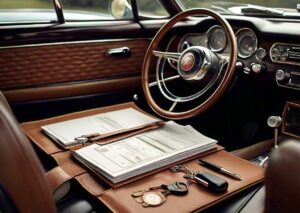
- Documentation: Keep detailed records of all maintenance and restoration work. This documentation can add to the car’s provenance and value, especially if it includes information about original parts and materials used.
Conclusion
Maintaining the interior of a classic car is essential to keep its charm and value intact. Here’s a quick recap of the key points covered:
- Classic Car Upholstery Cleaning: Use appropriate products for different materials, follow a thorough cleaning process, and apply stain removal techniques to keep your upholstery looking fresh.
- Upholstery Care for Vintage Cars: Regular maintenance and conditioning protect your upholstery from wear and tear, ensuring its longevity.
- Carpet Care for Classic Cars: Regular vacuuming, deep cleaning, and stain management are crucial for preserving the appearance and functionality of your car’s carpets.
- Interior Detailing for Classic Cars: A comprehensive detailing approach includes cleaning the dashboard, seats, and other interior components to maintain a pristine look.
- Antique Car Interior Care: Special techniques help preserve the unique qualities of antique interiors, preventing damage and maintaining authenticity.
Final Tips for Maintaining a Pristine Classic Car Interior
To ensure your classic car remains in excellent condition, consider these final tips:
- Regular Cleaning: Stick to a routine cleaning schedule for both upholstery and carpets to prevent buildup of dirt and stains.
- Use Quality Products: Choose cleaning and conditioning products specifically designed for classic car materials to avoid damage.
- Handle with Care: When cleaning, use soft brushes and cloths to protect delicate surfaces.
- Protect from Sunlight: Use sunshades or car covers to shield the interior from harmful UV rays that can cause fading and deterioration.
- Address Issues Promptly: Deal with spills, stains, and any signs of wear as soon as they occur to prevent long-term damage.
Encouragement to Regularly Care for the Interior
Regular care is key to preserving the value and beauty of your classic car. By maintaining a routine of cleaning and detailing, you ensure that the interior remains as stunning as the day it was first crafted. This ongoing effort not only enhances the driving experience but also protects your investment, keeping your classic car in top condition for years to come.