Introduction
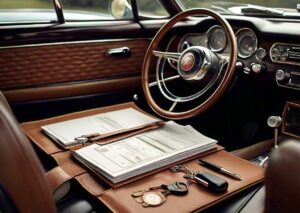
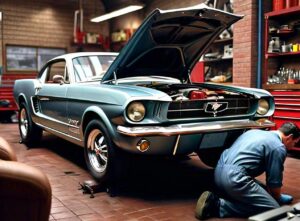
Classic cars hold a special place in the hearts of enthusiasts and collectors. Their timeless beauty and historical significance make them a treasured possession. However, maintaining a classic car is not just about preserving its exterior shine; the interior, especially the dashboard and instrument panel, requires meticulous care. In this article, we will explore essential tips and techniques for classic car dashboard maintenance, instrument panel care for vintage cars, and dashboard restoration tips. By following these guidelines, you can ensure that your classic car remains in top condition, both aesthetically and functionally.
Importance of Maintaining the Dashboard and Instrument Panel in Classic Cars
The dashboard and instrument panel are central components of a classic car’s interior. They not only provide critical information to the driver but also contribute significantly to the vehicle’s overall aesthetic appeal. Also Instrument panel care for vintage cars is important as the driver works with it all the times. Proper maintenance of these areas is crucial for several reasons:
- Preservation of Originality: Maintaining the original dashboard and instruments preserves the car’s authenticity and enhances its value. This is especially important for collectors who prize originality.
- Functional Reliability: Well-maintained instruments ensure that all gauges and indicators function correctly, providing accurate readings. This is essential for safe and enjoyable driving.
- Aesthetic Appeal: A clean and polished dashboard enhances the visual appeal of the car’s interior, making it more enjoyable to drive and showcase.
- Prevention of Damage: Regular maintenance helps prevent damage caused by dust, dirt, and UV exposure. This extends the lifespan of the materials and reduces the need for costly repairs.
If your interested in proper washing techniques of your classic car, you can read this article.
Classic Car Dashboard Maintenance
Routine Cleaning Techniques
Maintaining a classic car’s dashboard is essential for both its appearance and functionality. To start with routine cleaning, follow these simple steps:
- Dust Removal: Begin by removing loose dust and dirt using a soft microfiber cloth. This prevents scratches and prepares the surface for deeper cleaning.
- Gentle Cleaning Solution: Mix a mild soap with warm water. Dampen a cloth with this solution and gently wipe down the dashboard. Avoid soaking the cloth to prevent water damage.
- Detailed Cleaning: For hard-to-reach areas and crevices, use a small, soft-bristled brush. This helps to remove grime without damaging delicate surfaces.
- Drying: After cleaning, use a dry microfiber cloth to remove any remaining moisture. This step ensures the dashboard stays dry and prevents mold growth.
Recommended Cleaning Products and Tools
Using the right products and tools is crucial for preserving your classic car’s dashboard. Here are some recommended items:
- Microfiber Cloths: Soft and non-abrasive, perfect for dusting and cleaning.
- Mild Soap: Gentle on materials and effective in cleaning.
- Soft-Bristled Brush: Ideal for cleaning intricate details and hard-to-reach areas.
- Dashboard Cleaner: A product specifically designed for automotive interiors, safe for vintage materials.
- Leather Conditioner: If your dashboard includes leather parts, a good conditioner will keep it supple and prevent cracking.
Polishing and Conditioning the Dashboard Materials
To keep your dashboard looking its best, regular polishing and conditioning are necessary:
- Wooden Dashboards: Use a high-quality wood polish to maintain the shine and protect the wood. Apply the polish with a soft cloth and buff gently.
- Plastic and Vinyl Dashboards: Use a plastic or vinyl conditioner. Apply a small amount to a microfiber cloth and work it into the surface. Buff to a shine with a clean, dry cloth.
- Leather Dashboards: Use a leather conditioner to keep the leather soft and prevent it from drying out. Apply the conditioner with a soft cloth, let it absorb, and then buff the surface.
Instrument Panel Care for Vintage Cars
Maintaining and instrument panel care for vintage cars is essential for both aesthetic appeal and functionality. As mentioned before, Instrument panel care for vintage cars should be done regularly, as the driver works with it all the times while driving. In this section, we will cover cleaning and maintaining gauges and dials, ensuring the functionality of all instruments, and common issues with troubleshooting tips.
Cleaning and Maintaining Gauges and Dials
Cleaning the gauges and dials of your vintage car is a delicate process that requires attention to detail. Here’s a step-by-step guide:
- Gather Supplies: You will need a soft microfiber cloth, mild soap, water, and a small, soft-bristle brush.
- Dusting: Start by gently dusting the gauges and dials with the microfiber cloth. This removes any loose particles that could scratch the surfaces.
- Cleaning Solution: Mix a small amount of mild soap with water. Dip the soft-bristle brush into the solution and gently clean around the edges of the dials and gauges.
- Wiping: Use the damp microfiber cloth to wipe down the surfaces. Be careful not to let water seep into the instruments.
- Drying: Use a dry microfiber cloth to carefully dry the gauges and dials.
Ensuring Functionality of All Instruments
Ensuring that all the instruments on your vintage car’s dashboard are functional is crucial. Here’s how you can do it:
- Check the Connections: Inspect all electrical connections to ensure they are secure. Loose connections can cause the instruments to malfunction.
- Test Each Instrument: Turn on the car and test each instrument, such as the speedometer, fuel gauge, and temperature gauge, to make sure they are working properly.
- Calibration: If any of the instruments are not showing accurate readings, they may need to be calibrated. Refer to your car’s manual for specific calibration instructions.
- Replace Faulty Instruments: If an instrument is not working and cannot be repaired, it may need to be replaced. Always try to find original or high-quality reproduction parts to maintain the car’s authenticity.
Common Issues and Troubleshooting Tips
Even with regular maintenance, you might encounter some common issues with your vintage car’s instrument panel. Here are a few troubleshooting tips:
- Dim or Non-Functional Lights: If the lights on the instrument panel are dim or not working, check the fuses and replace any that are blown. Ensure the bulbs are in good condition.
- Inaccurate Readings: If a gauge is giving inaccurate readings, it might be due to a faulty sensor. Inspect and replace any malfunctioning sensors.
- Erratic Needle Movement: If the needles on the gauges are moving erratically, it could be due to loose connections or grounding issues. Secure any loose connections and check the grounding wires.
- Stuck Needles: Sometimes, the needles on the gauges can get stuck. This can often be resolved by gently tapping the gauge or, if necessary, disassembling and cleaning the internal components.
Dashboard Restoration Tips
Identifying Wear and Damage
To start with dashboard restoration, it’s essential to identify areas that need attention. Look for:
- Cracks and Splits: These are common in older dashboards due to age and sun exposure. Run your fingers over the surface to feel for any splits.
- Fading and Discoloration: UV rays can cause the dashboard color to fade. Check for uneven color patches or areas that look lighter than the rest.
- Peeling and Warping: Moisture and heat can lead to peeling of the dashboard material or warping of the surface.
- Loose or Missing Components: Ensure all screws, knobs, and other components are intact and properly attached.
Step-by-Step Restoration Process
Clean the Dashboard: Start by thoroughly cleaning the dashboard using a mild cleaner and a soft cloth. Remove all dirt, dust, and grime. Repair Cracks and Splits:
- For small cracks, use a vinyl repair kit. Apply the repair compound and smooth it out with a spatula.
- For larger splits, consider using a fiberglass repair kit. Follow the instructions to apply the fiberglass and sand it down to a smooth finish.
Recolor the Dashboard:
- Use a color restorer or dashboard dye that matches the original color. Apply evenly using a sponge or cloth.
- Let it dry completely before applying additional coats if needed.
Replace Loose or Missing Components:
- Tighten any loose screws and replace missing knobs or switches. Ensure everything is securely in place.
Protect the Dashboard:
- Apply a UV protectant to shield the dashboard from future sun damage. This helps in maintaining the restored look for a longer period.
Tools and Materials Needed for Restoration
- Mild Cleaner and Soft Cloth: For initial cleaning.
- Vinyl Repair Kit: To fix small cracks and splits.
- Fiberglass Repair Kit: For larger cracks and splits.
- Sandpaper: Various grits for smoothing repaired areas.
- Dashboard Dye/Color Restorer: To restore faded colors.
- Spatula: For applying repair compounds.
- UV Protectant: To protect the dashboard from future sun damage.
- Screwdrivers: To tighten or replace dashboard components.
- Replacement Knobs and Switches: For any missing or broken parts.
Professional Restoration Services vs. DIY
Deciding between professional restoration and a DIY approach depends on:
- Severity of Damage: Minor cracks and fading can be easily handled with a DIY approach. However, extensive damage like deep cracks and warping might require professional services.
- Skill Level: If you are comfortable with basic repairs and have some experience, a DIY restoration can be satisfying and cost-effective. For those less experienced, professional services ensure a high-quality finish.
- Time and Effort: DIY restoration requires time, patience, and effort. If you prefer a quicker solution with guaranteed results, professional services are the way to go.
- Cost: DIY is generally cheaper as you only need to buy the materials and tools. Professional services might be more expensive but can offer a flawless restoration.
If your interested in upholstery and carpet maintenance of your classic car, read this article.
Vintage Car Instrument Maintenance
Maintaining the instruments in a vintage car is essential to keep it running smoothly and preserve its historical value. Here’s how to ensure your classic car’s instruments are in top condition.
Regular Inspection and Calibration of Instruments
Regularly inspect the instruments in your vintage car to ensure they are functioning correctly. This includes checking the speedometer, fuel gauge, temperature gauge, and other dials. Look for any signs of wear or malfunction, such as inaccurate readings or unresponsive needles.
Steps for Regular Inspection:
- Visual Check: Examine the instruments for any visible damage or dirt.
- Functional Test: Start the car and observe the instruments to ensure they respond correctly.
- Calibration: Use a calibration tool or take the car to a professional to adjust the instruments if needed.
Repairing or Replacing Faulty Instruments
If any instruments are found to be faulty during inspection, they need to be repaired or replaced. Repairing is often preferred to maintain the car’s originality, but replacement may be necessary if the instrument is beyond repair.
Steps for Repairing or Replacing Instruments:
- Diagnosis: Identify the issue with the instrument. It could be a mechanical failure, electrical problem, or simply a loose connection.
- Repair: If repairable, clean and fix the faulty parts. This may involve soldering connections or replacing small components.
- Replacement: If the instrument cannot be repaired, find a suitable replacement. Aim to use original parts to maintain authenticity.
Preserving Original Parts and Authenticity
Preserving the original parts of your vintage car is crucial for maintaining its value and authenticity. When repairing or replacing instruments, always try to use original parts or high-quality replicas. There are many websites such as: Google, Amazon and etc. that you can look into, to find the parts you need.
Tips for Preserving Originality:
- Source Original Parts: Look for original parts from reputable suppliers or salvage from other vintage cars.
- Documentation: Keep detailed records of any repairs or replacements, including where parts were sourced.
- Professional Help: When in doubt, seek assistance from professionals who specialize in vintage cars. They can provide expert advice and ensure the work is done correctly.
Classic Car Interior Preservation
Overall Interior Care Tips
Preserving the interior of a classic car is essential to maintain its value and charm. Start by cleaning the interior regularly. Use a vacuum to remove dust and debris from the seats, carpets, and floor mats. For hard surfaces like the dashboard and door panels, use a gentle cleaner and a microfiber cloth to avoid scratches. Leather seats should be conditioned every few months to keep the leather supple and prevent cracking.
Regularly check for any signs of wear and tear. Address any issues promptly to prevent further damage. Replace worn-out floor mats and repair any small tears in the upholstery. Keep the interior dry to prevent mold and mildew growth. Ensure that the car is well-ventilated when not in use to avoid musty odors.
Protecting the Dashboard and Instruments from Sun Damage
Sun damage is a major concern for classic car interiors. Ultraviolet (UV) rays can cause the dashboard and instrument panel to fade, crack, and deteriorate. To protect these surfaces, use a sunshade when the car is parked outdoors. Sunshades help block UV rays and reduce the interior temperature.
Applying a UV-protectant spray to the dashboard and instrument panel can also help. These sprays create a protective layer that reduces the impact of UV rays. If possible, park the car in a garage or under a car cover to provide additional protection from the sun.
Maintaining the Aesthetic and Functional Integrity of the Interior
Maintaining both the aesthetic and functional integrity of the interior involves regular checks and preventive measures. Ensure all interior lights, gauges, and instruments are working properly. Replace any faulty bulbs or damaged instrument panels promptly.
The aesthetic appeal of the interior can be maintained by regularly detailing the car. Clean and polish the chrome accents, and ensure the wood trim is free of scratches and dents. Use appropriate cleaning products designed for the materials in your car’s interior.
For the seats, use seat covers to protect the original upholstery. This is especially important for vintage fabrics that may be more susceptible to wear and tear. Regularly inspect the seatbelts and replace them if they show any signs of fraying or damage.
Conclusion
In this article, we’ve explored various essential aspects of maintaining the dashboard and instrument panel of classic cars. Let’s recap the key points covered:
- Regular Cleaning and Maintenance: Consistently cleaning the dashboard and instrument panel helps preserve their appearance and functionality. Using the right products and techniques ensures that these components remain in good condition.
- Instrument Panel Care: Properly maintaining gauges and dials, as well as ensuring their functionality, is crucial for the safety and performance of your vintage car. Regular inspections and addressing any issues promptly can prevent long-term damage. Therefore, Instrument panel care for vintage cars is important.
- Dashboard Restoration: Addressing wear and damage through restoration techniques can revitalize your classic car’s interior. Whether opting for DIY methods or professional services, restoration helps maintain the car’s aesthetic appeal.
- Preservation Tips: Protecting the dashboard and instrument panel from sun damage and other environmental factors is vital. Using protective measures like sunshades and conditioners can prolong the life of these components.
Importance of Regular Maintenance
Regular maintenance of your classic car’s dashboard and instrument panel is crucial for several reasons. It not only keeps your vehicle looking great but also ensures the functionality of essential instruments. Consistent care prevents minor issues from becoming major problems, saving you time and money in the long run. More importantly, regular maintenance preserves the integrity and value of your classic car, allowing you to enjoy its charm for years to come.
Encouragement to Preserve the Classic Charm
Maintaining the dashboard and instrument panel of your vintage car is more than just a task; it’s a way to honor the craftsmanship and history of these beautiful machines. By investing time and effort into proper care, you contribute to preserving the classic charm that makes these cars so special. Remember, every bit of maintenance you perform adds to the longevity and enjoyment of your classic car, ensuring it remains a cherished possession for future generations.