Introduction
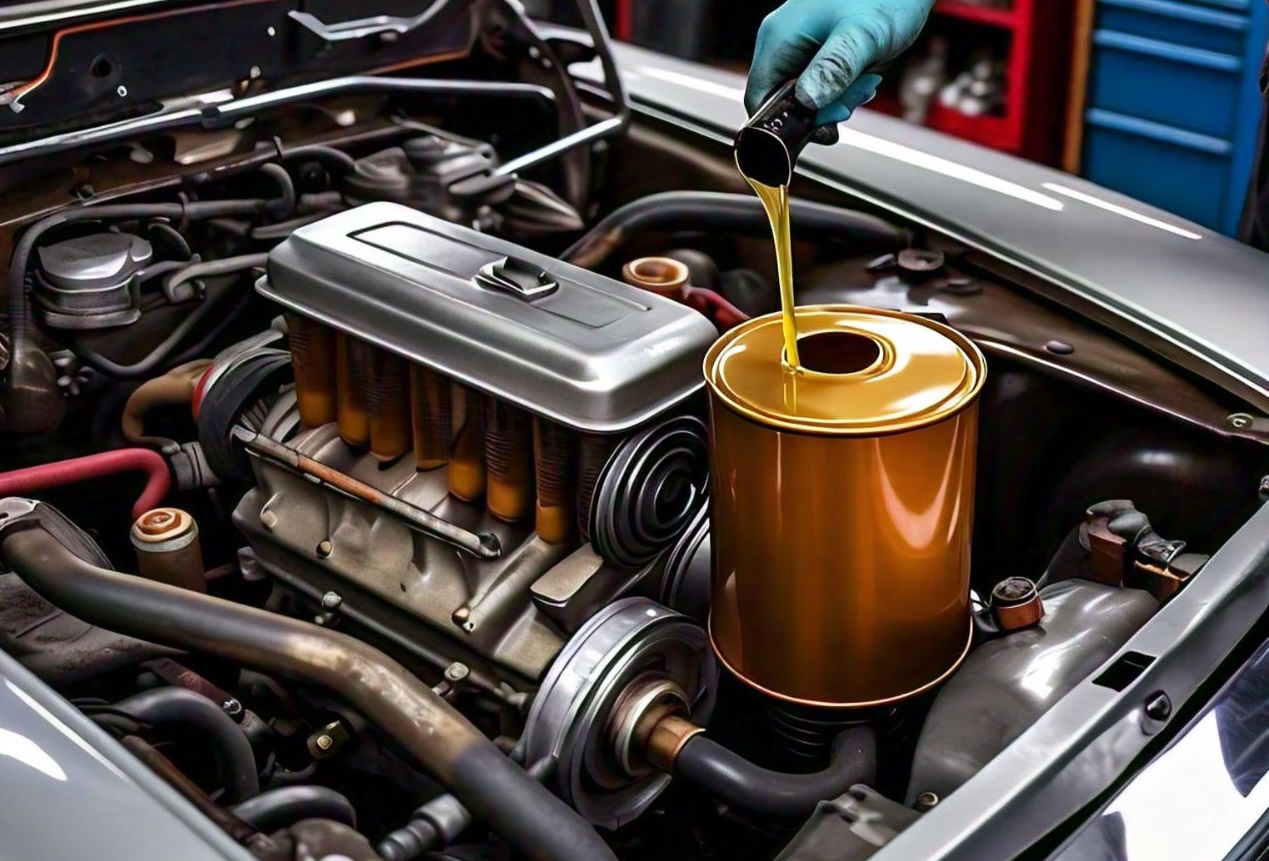
Maintaining the engine oil and filter in classic cars is crucial for keeping these vintage vehicles running smoothly and efficiently. Engine oil lubricates the engine’s moving parts, reducing friction and preventing overheating. Over time, oil degrades and becomes less effective, which can lead to engine damage. Regular oil changes and filter replacements are essential to ensure that your classic car remains in top condition. When it comes to classic car engine oil change, the owner of the vintage car should be very careful with the mileage, oil type, oil quality in the engine etc.
In this article, we’ll explore why engine oil and filter maintenance is so important for classic cars, and provide you with a comprehensive guide on how to perform these tasks effectively. Understanding and following these maintenance practices will help you preserve the performance and value of your vintage vehicle.
If you want to know more about how to maintain safety in your classic car, click here.
Importance of Engine Oil and Filter Maintenance
Engine oil is the lifeblood of your classic car’s engine. It keeps the engine’s internal components lubricated, helping to reduce wear and tear. Regular changes are necessary because oil breaks down over time and loses its ability to protect the engine. The oil filter, which removes contaminants from the oil, also needs to be replaced to ensure clean oil circulation.
Without proper maintenance, old or contaminated oil can cause engine parts to wear out prematurely, leading to costly repairs. In classic cars, which may have unique or rare engines, preserving their condition is especially important to maintain their value and performance.
Choosing the Right Engine Oil
Selecting the right engine oil is crucial for the performance and longevity of classic cars. Here’s what you need to know:
Types of Engine Oil Suitable for Classic Cars
Classic cars often require specific types of engine oil to ensure optimal performance. Generally, you should choose from the following types:
- Mineral Oil: This is a basic oil derived from refining crude oil. It is often recommended for older engines due to its traditional properties.
- Synthetic Oil: This oil is engineered for high performance and stability. It’s suitable for modern classic cars with advanced engines.
- Semi-Synthetic Oil: A blend of mineral and synthetic oils, offering a balance of performance and cost. It’s often used for cars that require a middle ground.
Choosing the right oil type depends on your classic car’s engine design and age. Always refer to the owner’s manual for specific recommendations.
Viscosity Ratings and Their Impact
Viscosity ratings are essential for engine oil selection. They describe the oil’s thickness and flow characteristics at different temperatures. The ratings are given as a pair of numbers, such as 10W-30.
- The first number (e.g., 10W) indicates the oil’s flow at cold temperatures (Winter). Lower numbers mean better flow in cold conditions.
- The second number (e.g., 30) shows the oil’s thickness at high temperatures. Higher numbers mean thicker oil at operating temperatures.
Choosing the correct viscosity helps in maintaining adequate lubrication and engine protection. For classic cars, a viscosity rating that matches the original specifications is usually recommended to preserve engine integrity.
Recommendations for Vintage Engines
For vintage engines, which often have unique lubrication needs, consider these recommendations:
- Follow Manufacturer’s Specifications: Always refer to the classic car’s manual for the recommended oil type and viscosity. This ensures compatibility with the engine’s design and materials.
- Consider Oil Additives: Some classic cars benefit from oil additives that enhance lubrication or reduce engine wear. Consult with a specialist to determine if additives are necessary.
- Monitor Oil Condition: Regularly check the condition of the oil. In classic cars, oil can degrade faster due to older engine technologies. Change the oil more frequently if needed.
- You can always check websites like Amazon for price. There you could get a very good clue.
Understanding Oil Filters
Oil filters play a crucial role in maintaining the engine’s health in classic cars. They help keep the engine oil clean by removing contaminants and particles that can cause wear and damage.
Types of Oil Filters for Classic Cars
- Cartridge Filters: These are often used in older vehicles. They have a separate filter element and a metal casing. The element filters the oil, while the casing is replaced when changing the filter.
- Spin-On Filters: These are more common and are screwed directly onto the engine. They come as a single unit, which makes them easier to replace.
- Bowl Filters: These are less common but used in some vintage engines. They consist of a bowl and a filter element inside. The bowl is removed and cleaned, and the filter element is replaced.
How to Choose the Right Filter
Choosing the right oil filter is essential for ensuring your classic car’s engine runs smoothly. Here’s how to make the right choice:
- Check the Manufacturer’s Specifications: Always refer to your car’s manual or the manufacturer’s recommendations to find the correct filter type and size.
- Consider Filter Quality: Opt for high-quality filters from reputable brands. They provide better filtration and durability, protecting your engine more effectively.
- Verify Compatibility: Ensure the filter you choose is compatible with your classic car’s engine. Filters that do not fit correctly can cause leaks or inadequate filtration.
Importance of Filter Quality
The quality of the oil filter directly impacts the performance and longevity of your engine. Here’s why filter quality matters:
- Efficient Filtration: High-quality filters remove more contaminants from the oil, keeping the engine cleaner and reducing wear.
- Durability: Better filters last longer, requiring fewer replacements and providing consistent protection over time.
- Engine Performance: A well-made filter ensures proper oil flow and pressure, which helps maintain engine performance and efficiency.
Step-by-Step Oil Change Process
Required Tools and Materials
To perform an engine oil change on a classic car, gather the following tools and materials:
- Oil filter wrench: For removing the old oil filter.
- Oil drain pan: To collect the old oil.
- Funnel: For pouring new oil into the engine.
- Socket wrench: To remove the oil drain plug.
- New oil filter: Ensure it’s compatible with your classic car.
- Engine oil: Use the recommended type and viscosity for your vehicle.
- Rags or paper towels: For cleaning up spills and checking oil levels.
- Gloves: To keep your hands clean.
Preparation and Safety Measures
Before starting the oil change process, follow these preparation and safety steps:
- Park on a Level Surface: Ensure your classic car is on a flat area to prevent oil from draining unevenly.
- Turn Off the Engine: Let the engine cool down to avoid burns.
- Lift the Car: Use a car jack and jack stands to lift the vehicle safely. Never rely on the jack alone.
Draining Old Oil
- Locate the Oil Drain Plug: It’s typically found on the bottom of the engine oil pan.
- Position the Oil Drain Pan: Place it under the oil drain plug to catch the old oil.
- Remove the Oil Drain Plug: Use the socket wrench to loosen and remove the plug. Allow the old oil to drain completely into the pan.
- Replace the Oil Drain Plug: Once all the oil has drained, clean the drain plug and reinstall it, tightening it securely.
Removing and Replacing the Oil Filter
- Locate the Oil Filter: The filter is usually accessible from underneath the car.
- Remove the Old Oil Filter: Use the oil filter wrench to twist off the old filter. Be prepared for some oil spillage.
- Prepare the New Oil Filter: Apply a small amount of new oil to the gasket on the new filter. This helps ensure a good seal.
- Install the New Oil Filter: Screw the new filter into place by hand, then tighten it slightly with the wrench. Do not over-tighten.
Adding New Engine Oil
- Find the Oil Filler Cap: Usually located on top of the engine.
- Remove the Oil Filler Cap: Place the funnel into the opening.
- Pour New Oil: Slowly pour the new engine oil into the funnel, adding the amount specified in your vehicle’s manual.
- Replace the Oil Filler Cap: Once the oil is added, remove the funnel and securely replace the oil filler cap.
Checking Oil Levels and Quality
- Check the Oil Level: Use the dipstick to check the oil level. Pull it out, wipe it clean, reinsert it, and then pull it out again to check the level.
- Add More Oil If Necessary: If the oil level is below the recommended mark, add more oil in small amounts until it reaches the proper level.
- Check Oil Quality: Ensure the oil is not dirty or contaminated. If the oil looks gritty or dark, it may need to be changed more frequently.
Oil Change Tips for Vintage Vehicles
Recommended Oil Change Intervals
For vintage vehicles, changing the engine oil regularly is essential to keep the engine running smoothly. The recommended interval for oil changes can vary depending on the vehicle’s age and usage. Generally, it’s a good idea to change the oil every 3,000 to 5,000 miles, or every 6 months, whichever comes first. This interval helps to prevent the build-up of sludge and contaminants that can damage your engine over time. Always check your vehicle’s manual for specific recommendations, as some classic cars may have different requirements due to their unique design and engine specifications.
Signs of Engine Oil Issues
Regular inspection of your engine oil is crucial for detecting potential problems early. Common signs of engine oil issues include:
- Oil Light: If the oil pressure light on your dashboard comes on, it indicates low oil pressure, which could mean low oil levels or a problem with the oil pump.
- Discolored Oil: Fresh oil is typically golden or amber. If the oil appears dark and gritty, it may need to be changed as it has likely picked up contaminants.
- Engine Noise: Unusual noises like ticking or knocking can indicate insufficient lubrication, which may be due to old or dirty oil.
- Oil Leaks: Puddles or spots of oil under your car can signify a leak, which needs immediate attention to prevent engine damage.
Special Considerations for Classic Engines
Maintaining oil in classic engines requires special attention due to their unique characteristics. Classic engines often have different tolerances and components compared to modern engines, making it essential to use the correct type of oil. Here are some considerations:
- Oil Type: Classic engines may require specific types of oil, such as non-detergent or higher viscosity oils. Always use oil that matches the specifications recommended by the manufacturer.
- Seal Compatibility: Older engines may have seals and gaskets that are not compatible with modern oils. Ensure the oil you use is designed to be safe for older seals.
- Engine Sludge: Classic engines may be prone to sludge build-up. Using oil with appropriate detergents can help minimize this issue, but it’s important to change the oil frequently to prevent sludge accumulation.
If you want to know more about how to remove rust from your classic car, click here.
Maintaining Engine Oil in Classic Cars
Regular Inspection and Top-Ups
To keep your classic car running smoothly, regular inspection and top-ups of the engine oil are essential. Start by checking the oil level at least once a month or before long trips. This simple step ensures that your engine has the proper amount of lubrication, which is crucial for its performance and longevity.
When checking the oil, look for both the oil level and its condition. The oil should be clean and free of debris. If the oil appears dirty or has a burnt smell, it’s time for a change. Also, make sure to top up the oil if it’s below the recommended level. Use the type of oil specified for your classic car, as using the wrong type can affect performance and damage the engine.
Addressing Common Oil-Related Problems
Engine oil issues can lead to significant problems if not addressed promptly. Here are some common issues and how to handle them:
- Low Oil Pressure: If you notice a drop in oil pressure, it could indicate a leak or a problem with the oil pump. Check for leaks around the oil filter and oil pan. If leaks are found, they should be repaired immediately.
- Oil Leaks: Oil leaks can be caused by worn seals or gaskets. If you see oil pooling under your car, inspect the engine for damaged or loose seals. Replace any faulty components to prevent further leaks.
- Dirty Oil: Over time, oil collects contaminants and becomes less effective. If you notice your oil is dark and gritty, it’s time for an oil change. Regular oil changes will prevent engine wear and maintain optimal performance.
Best Practices for Long-Term Oil Care
Maintaining engine oil over the long term involves several best practices:
- Regular Oil Changes: Follow the manufacturer’s recommendations for oil change intervals. Regularly changing the oil will keep the engine clean and running smoothly.
- Using Quality Oil: Always use high-quality oil that meets the specifications for your classic car. Cheap or incorrect oil can lead to engine damage and reduced performance.
- Monitoring Oil Condition: Keep an eye on the oil’s color and consistency. Clean oil is usually amber, while dirty oil can be black or brown. Regular monitoring will help you catch issues early and address them before they become serious problems.
- Proper Storage: If you’re storing your classic car for an extended period, ensure that the engine oil is fresh and that the car is kept in a dry, cool environment. This helps prevent the oil from degrading and ensures that the engine is protected.
Conclusion
Maintaining the engine oil and filter in classic cars is essential for keeping your vintage vehicle running smoothly. Regular changes not only preserve the engine’s performance but also help in extending its lifespan. By choosing the right oil, following a proper change routine, understanding the specific needs of your classic car, you ensure it remains in top condition. This guide has covered the basics of oil types, filter choices, and the step-by-step process for changing oil. Keeping up with these practices is key to enjoying your classic car for years to come.
Summary of Key Points
Engine Oil Selection: Use oil that matches your classic car’s specifications. Pay attention to viscosity ratings and ensure the oil provides adequate protection for vintage engines.
Oil Filter Importance: Choose high-quality oil filters that fit your classic car. Proper filtration is crucial for engine longevity.
Changing Process: Follow the step-by-step guide for draining old oil, replacing the filter, and adding new oil. Ensure all steps are completed to maintain optimal engine performance.
Maintenance Tips: Regularly check oil levels, follow recommended change intervals, and address any signs of oil-related issues to prevent engine problems.
Final Tips for Effective Engine Oil and Filter Maintenance
Regular Checks: Consistently monitor your engine oil level and quality. Frequent checks help catch any issues early and ensure your engine is well-lubricated.
Follow Intervals: Stick to the recommended oil change intervals specific to your classic car. Overdue oil changes can lead to engine wear and reduced performance.
Use Quality Products: Always use high-quality oil and filters designed for vintage vehicles. This ensures better engine protection and performance.
Professional Help: If you’re unsure about the oil change process or encounter problems, consider seeking advice from a classic car mechanic. Their expertise can help maintain your car in peak condition.
Documentation: Keep records of oil changes and maintenance. Documentation helps track the car’s maintenance history and can be valuable for future reference or resale.