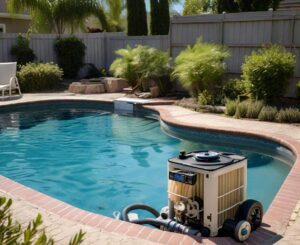
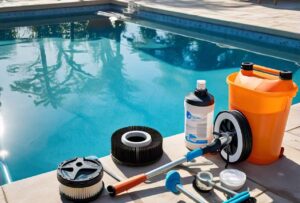
Maintaining a swimming pool is about more than just keeping the water clean; it’s also about ensuring that all the equipment is functioning properly. One of the most critical components of your pool system is the pump. Proper pool pump maintenance is essential for keeping your pool water circulating and clean. In this article, we will guide you through the steps of swimming pool pump upkeep, offering practical advice on pool pump troubleshooting, pool pump care, and more.
Your pool pump is the heart of your pool’s circulation system. It moves water through the filtration system, removing debris and ensuring even distribution of chemicals. Without regular pool pump servicing, you risk reduced efficiency and potential equipment failure, leading to costly pool pump repair or even pool pump replacement. Our comprehensive guide will help you understand how to maintain your pool pump, ensuring it operates at peak performance, keeping your pool in pristine condition year-round.
Don’t miss the chance of reading this article to the end, because you’ll have a clear understanding of how to perform routine inspections, clean and replace the pump basket, maintain pump efficiency, troubleshoot common issues, and adhere to essential safety tips. Let’s dive into the first part of our guide and get your pool pump running perfectly!
Understanding Your Pool Pump
A well-maintained pool pump is essential for a healthy and clean swimming pool. In this section, we’ll delve into the basics of pool pump care, explaining how it works, its key components, and why regular swimming pool pump upkeep is crucial.
What is a Pool Pump and How Does It Work?
A pool pump is the heart of your pool’s circulation system. It draws water from the pool through the skimmer and main drain, pushes it through the filter, and then returns the clean water back to the pool. This continuous cycle keeps your pool water clean, clear, and safe for swimming.
Key Components of a Pool Pump
Understanding the main components of your pool pump can help with effective pool pump maintenance and troubleshooting. Here are the essential parts:
- Motor
The motor powers the pump and is typically electric. It’s essential to keep the motor clean and dry to prevent damage. - Impeller
Attached to the motor, the impeller spins to create the suction that draws water into the pump. - Pump Housing
This encases the impeller and motor, directing water flow. - Strainer Basket
Also known as the pump basket, it captures large debris before water enters the impeller. - Seal Plate
Located between the motor and the wet end of the pump, it prevents water from leaking into the motor. - Volute
The volute is the spiral casing that collects water from the impeller and directs it to the filter.
Why Regular Swimming Pool Pump Upkeep is Crucial
Regular pool pump servicing ensures that your pump operates efficiently, prolongs its lifespan, and helps you avoid costly pool pump repair or replacement. Here’s why regular upkeep is essential:
- Efficient Water Circulation
A well-maintained pump ensures proper water flow, which is crucial for effective filtration and chemical distribution. - Prevention of Algae and Bacteria Growth
Consistent circulation and filtration prevent stagnant water, reducing the risk of algae and bacterial growth. - Energy Efficiency
Regular maintenance keeps your pump running smoothly, reducing energy consumption and lowering your utility bills. - Cost Savings
Timely pool pump troubleshooting and minor repairs prevent major breakdowns and extend the life of your pump, saving you money in the long run.
How to Maintain Your Pool Pump
Effective pool pump care involves a few regular maintenance tasks:
- Regular Inspection
Check for any visible signs of wear, leaks, or damage. Listen for unusual noises that might indicate a problem. - Cleaning the Strainer Basket
Remove and clean the strainer basket regularly to ensure it’s free of debris. This prevents blockages and maintains efficient water flow. - Checking the Motor
Ensure the motor is clean and dry. Inspect the motor’s air vents to make sure they are not obstructed. - Lubricating O-Rings and Gaskets
Keep all seals and O-rings lubricated to prevent leaks and maintain a good seal. - Monitoring Water Pressure
Check the pressure gauge on your pool filter. A sudden drop in pressure could indicate a problem with the pump.
Troubleshooting Common Pool Pump Issues
Even with regular pool pump upkeep, problems can occur. Here are some common issues and how to troubleshoot them:
- Pump Won’t Start
Check the power supply, ensure all switches and breakers are on, and inspect the motor for any visible damage. - Low Water Flow
Clean the strainer basket, check for clogs in the pipes, and ensure the impeller is free of debris. - Loud Noises
Unusual noises may indicate a problem with the motor bearings or impeller. Inspect these components and replace them if necessary. - Leaking Pump
Check all seals, O-rings, and gaskets for wear and tear. Replace any damaged components to stop the leak. - Overheating
Ensure the motor is well-ventilated and not covered by debris. Check for proper water flow to prevent the pump from working too hard.
When to Consider Pool Pump Replacement
Despite regular maintenance and troubleshooting, there may come a time when pool pump repair is no longer feasible. Here are signs it might be time for a pool pump replacement:
- Frequent Breakdowns: If your pump requires constant repairs, it might be more cost-effective to replace it.
- Inefficiency: Older pumps can be less energy-efficient. Upgrading to a newer, energy-efficient model can save on energy costs.
- Noise Levels: Persistent loud noises despite maintenance may indicate the motor is failing.
- Age of the Pump: Most pool pumps last around 8-10 years. If your pump is nearing this age and experiencing issues, replacement might be the best option.
By understanding these key aspects of pool pump care and maintenance, you can ensure your pool remains clean, safe, and enjoyable for swimming. Regular attention to your pool pump will help you avoid major issues and keep your pool running efficiently all season long.
Regular Inspection and Maintenance Tasks
1. Visual Inspection Checklist
Regular visual inspections are crucial for effective pool pump maintenance. This helps you identify potential issues early and ensure your pump runs smoothly. Here’s a detailed checklist for your swimming pool pump upkeep:
- Check for Leaks and Moisture: Examine the area around the pump for any signs of water leaks or moisture. Leaks can indicate issues with seals or connections that need immediate attention.
- Inspect for Corrosion and Rust: Look for any signs of corrosion or rust on the pump and its components. Corrosion can weaken parts and lead to failure.
- Examine Hoses and Connections: Ensure all hoses and connections are secure and in good condition. Loose or damaged hoses can cause leaks and reduce pump efficiency.
- Assess the Pump Housing: Check the pump housing for cracks or damage. Any damage to the housing can compromise the pump’s integrity and performance.

2. Listening for Unusual Noises
Unusual noises can be an early indicator of issues with your pool pump. Regularly listen to your pump while it’s running as part of your pool pump troubleshooting routine:
- Humming or Buzzing: A steady humming noise is normal, but if it becomes louder than usual, it could indicate electrical issues or a clogged impeller.
- Grinding or Screeching: These noises often suggest that bearings are worn out or there’s debris in the pump. Immediate servicing is required to prevent further damage.
- Rattling or Vibrating: Loose components or debris caught in the pump can cause rattling sounds. Inspect and tighten any loose parts and remove any obstructions.
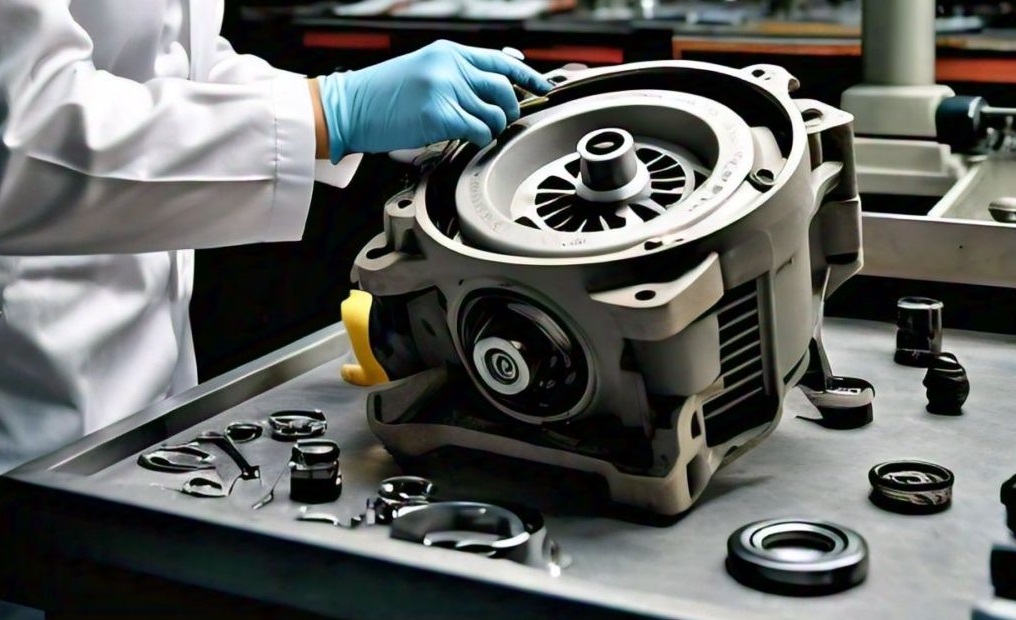
3. Checking for Leaks and Corrosion
Leaks and corrosion are common issues that require immediate attention during your pool pump care routine:
- Seal Inspection: Inspect the mechanical seal for signs of wear or damage. A worn-out seal can cause leaks and reduce pump efficiency.
- Corrosion Treatment: Use a wire brush to remove any surface rust and apply a corrosion inhibitor to prevent further damage.
- Pipe Connections: Ensure that all pipe connections are tight and properly sealed. Use Teflon tape on threaded connections to prevent leaks.
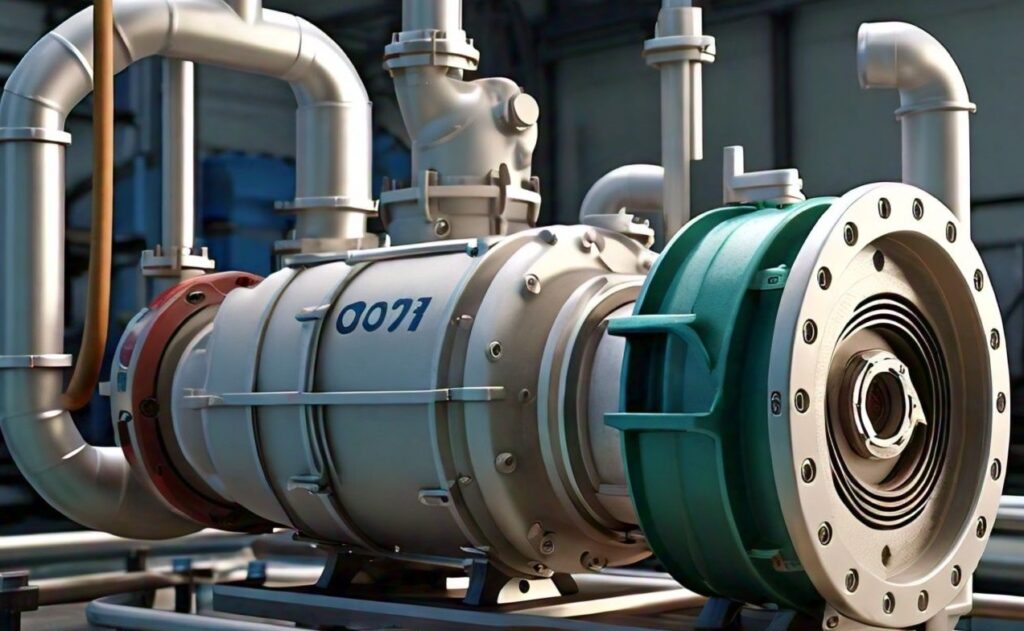
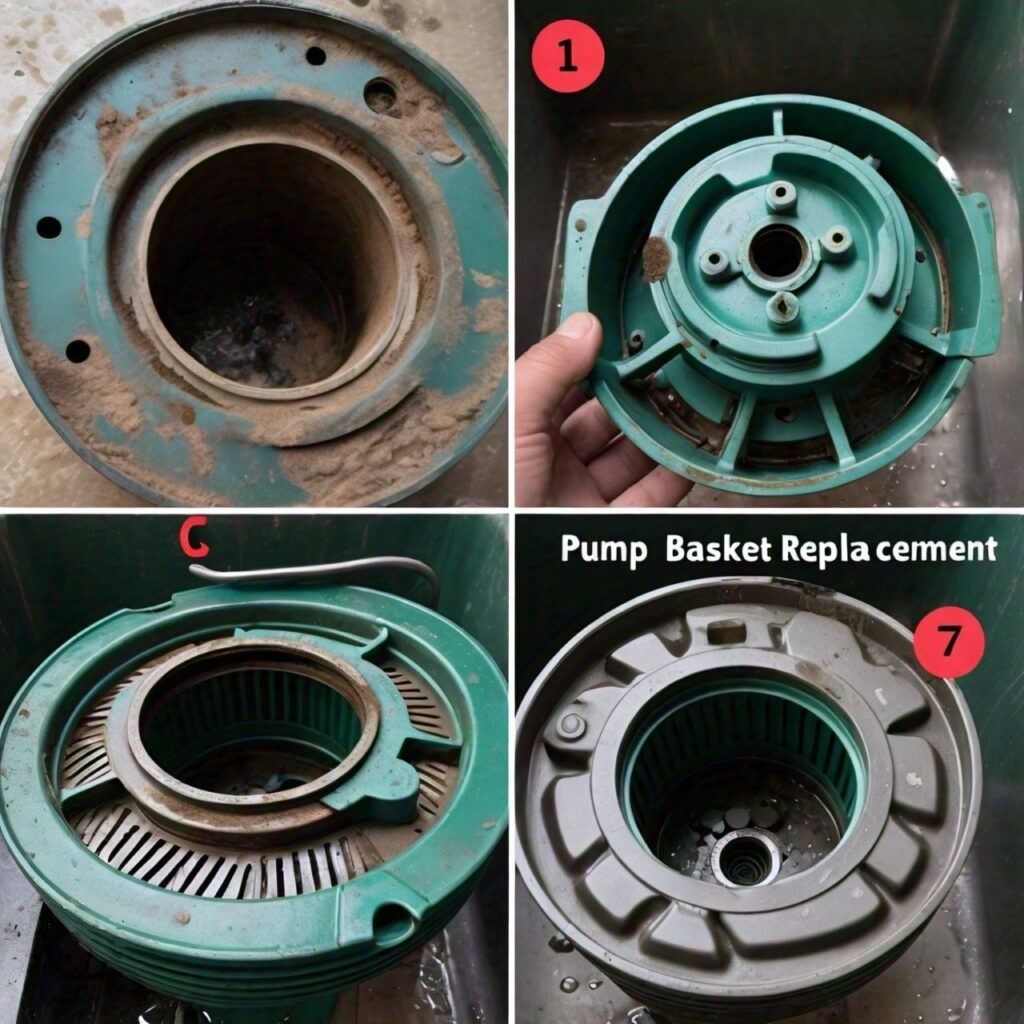
4. Cleaning and Replacing the Pump Basket
Keeping the pump basket clean is essential for maintaining optimal water flow and pump efficiency. Here’s how to maintain your pool pump basket:
- Turn Off the Pump: Always turn off the pump and disconnect the power before performing any maintenance to ensure safety.
- Remove the Pump Basket: Open the pump housing and carefully remove the pump basket. Check for any cracks or damage.
- Clean the Basket: Use a garden hose to wash away debris. For stubborn dirt, use a soft brush to scrub the basket clean.
- Reinstall the Basket: Once clean, place the basket back into the pump housing, ensuring it fits snugly. Secure the housing lid and turn the pump back on.
5. Maintaining Pump Efficiency
Ensuring your pool pump operates efficiently is a key aspect of pool pump servicing. Follow these steps to maintain optimal performance:
- Check Water Flow: Monitor the water flow rate and pressure gauge readings. Low flow rates may indicate blockages or pump issues.
- Clean the Filter: Regularly clean the pool filter to prevent debris from clogging the pump and reducing efficiency. Backwash sand or DE filters as needed.
- Adjust Pump Settings: Set the pump’s timer to run during off-peak hours to save energy. Ensure the pump runs long enough to filter all the pool water at least once a day.
6. Common Pump Problems and Solutions
Addressing common issues promptly is vital for effective pool pump repair and upkeep. Here are some solutions to typical problems:
- Low Water Flow: Check for blockages in the pump basket, filter, and intake lines. Clean or replace as necessary.
- Overheating: Ensure the pump has adequate ventilation and isn’t running for too long. Clean the motor vents to improve airflow.
- Pump Won’t Start: Verify that the power supply is connected and the circuit breaker isn’t tripped. If the pump still doesn’t start, the motor may need professional servicing.
By following these detailed inspection and maintenance tasks, you can ensure your pool pump remains in excellent condition, prolonging its lifespan and maintaining your pool’s health. Regular pool pump upkeep not only saves you money on repairs but also ensures a clean and enjoyable swimming experience.
Cleaning and Replacing the Pump Basket
Regular cleaning and replacing of the pump basket are crucial aspects of pool pump maintenance and swimming pool pump upkeep. This task ensures optimal water flow and prevents damage to the pump from debris buildup.
Why Cleaning the Pump Basket is Important?
Cleaning the pump basket is a fundamental part of pool pump care. A clean pump basket helps to:
- Maintain efficient water circulation
- Prevent debris from clogging the pump impeller
- Reduce strain on the pool pump, extending its lifespan
Tools Needed
Before you start, gather the following tools:
- A pair of gloves
- A garden hose
- A bucket or trash bag
- A soft brush (optional)
Step-by-Step Guide to Cleaning the Pump Basket
1. Turn Off the Pool Pump
For safety and effective pool pump troubleshooting, always start by turning off the pool pump. This prevents water from flowing through the system while you work.
2. Locate the Pump Basket
The pump basket is usually housed in a clear or opaque lid near the pump motor. It’s part of the pre-filter system that catches large debris before the water reaches the main filter.
3. Remove the Pump Basket Lid
- Release the lid by unscrewing it or unlatching the clamps, depending on your pump model.
- Be cautious of pressure build-up; do this slowly to avoid sudden releases of water.
4. Remove the Pump Basket
Carefully lift out the pump basket. If it’s stuck, gently wiggle it to free it up without breaking it.
5. Empty the Basket
- Dump out the debris into a bucket or trash bag. For finer particles stuck to the basket, use a garden hose to spray them off.
- If necessary, use a soft brush to scrub away any stubborn dirt.
6. Inspect the Basket
Check the basket for any cracks or damage. If you find any, it’s time for a pool pump replacement of the basket to avoid debris slipping through and damaging the pump.
7. Clean the Pump Housing
Before replacing the basket, clean out any debris in the pump housing. This step ensures that no leftover dirt gets trapped when you reassemble everything.
8. Reinsert the Pump Basket
Place the cleaned (or new) basket back into the pump housing. Make sure it fits snugly and correctly.
9. Secure the Lid
Replace the pump basket lid, ensuring it’s tightly sealed to prevent air leaks, which can cause the pump to lose prime.
10. Turn On the Pool Pump
Finally, turn the pool pump back on and check for proper operation. Ensure there are no leaks and that the water flow is steady.
How Often to Clean the Pump Basket
For optimal pool pump servicing, clean the pump basket at least once a week during peak swimming season. If your pool is surrounded by trees or experiences heavy usage, more frequent cleaning may be necessary.
Troubleshooting Common Issues
- Low Water Flow: If you notice reduced water flow, check the pump basket for clogs.
- Pump Losing Prime: Ensure the pump basket lid is sealed correctly and that there are no air leaks.
- Strange Noises: Debris trapped in the pump impeller can cause unusual noises. Regularly cleaning the pump basket helps prevent this issue.
By following these steps, you can ensure effective pool pump maintenance and prolong the life of your swimming pool pump. Regular cleaning and prompt pool pump repair or replacement of the basket when needed are key to maintaining a healthy pool system.
For a comprehensive guide on keeping your pool in top condition, don’t miss our article on How to do Pool Liner Inspection.
Maintaining Pump Efficiency
Maintaining the efficiency of your pool pump is crucial for keeping your swimming pool clean and safe. An efficient pump ensures proper water circulation, reduces energy costs, and extends the lifespan of your equipment. Here’s a detailed guide on how to maintain your pool pump’s efficiency, including practical tips and step-by-step instructions.
Importance of Proper Water Flow
Proper water flow is essential for the pool pump to work efficiently. It ensures that water circulates through the filtration system, keeping the pool clean and free of debris. Here are some key points to consider:
- Check Water Levels: Ensure your pool’s water level is at the appropriate height, typically halfway up the skimmer opening. Low water levels can cause the pump to suck in air, reducing its efficiency and potentially causing damage.
- Inspect and Clean Skimmer Baskets: Regularly clean the skimmer baskets to prevent clogs that can restrict water flow. A clogged skimmer basket forces the pump to work harder, reducing its efficiency and increasing wear and tear.
- Monitor Pool Pump Strainer Basket: Clean the pump strainer basket frequently to ensure debris does not impede water flow. This basket catches larger debris before it enters the pump, helping to maintain optimal performance.
Tips for Ensuring Adequate Water Circulation
Adequate water circulation is key to maintaining pool pump efficiency. Here’s how you can ensure your pool water is circulating properly:
- Run the Pump for the Right Duration: Run your pool pump for about 8-12 hours a day during the swimming season. This ensures that all the pool water passes through the filtration system at least once daily.
- Use a Timer: Install a timer on your pool pump to automate the running times. This helps maintain consistent water circulation and prevents the pump from running excessively, saving energy and reducing wear.
- Adjust Return Jets: Position the return jets to create a circular flow pattern in the pool. This helps distribute chemicals evenly and pushes debris toward the skimmers.
- Backwash the Filter: Regularly backwash your sand or DE filter to remove built-up debris. This ensures the filter can operate efficiently, maintaining good water circulation. For cartridge filters, clean or replace the cartridges as needed.
How to Adjust the Pump’s Settings for Optimal Performance
Adjusting your pool pump’s settings can significantly impact its efficiency. Here’s a step-by-step guide on optimizing your pump’s performance:
- Set the Right Speed: If you have a variable-speed pump, adjust the speed to match your pool’s needs. Lower speeds are more energy-efficient for regular circulation, while higher speeds may be necessary for tasks like vacuuming or running water features.
- Optimize the Flow Rate: Check the manufacturer’s recommendations for the ideal flow rate. Too high or too low flow rates can reduce efficiency and strain the pump. Use a flow meter to monitor and adjust the flow rate accordingly.
- Maintain Proper Pressure: Monitor the pressure gauge on your pool filter. High pressure indicates a dirty filter that needs cleaning, while low pressure may signal a leak or obstruction in the system. Keep the pressure within the recommended range for optimal pump performance.
Troubleshooting Common Pump Problems
Maintaining your pool pump is crucial for keeping your pool water clean and clear. Despite regular upkeep, you might encounter common issues that can hinder the performance of your pool pump. Here’s a detailed guide on pool pump troubleshooting and solutions to ensure your pool pump runs smoothly.
Pool Pump Won’t Start
Problem: If your pool pump won’t start, the issue could be electrical or mechanical.
Solution:
- Check the Power Source: Ensure the pump is plugged in and the breaker hasn’t tripped. Reset the breaker if necessary.
- Inspect the Timer: If your pump uses a timer, make sure it’s set correctly and functioning.
- Examine the Wiring: Look for loose or damaged wires. If you’re not comfortable with electrical work, call a professional.
- Motor Issues: If the motor is humming but not starting, it could be a capacitor problem. Replacing the capacitor often solves this issue.
Low Water Flow
Problem: Low water flow can reduce the efficiency of your pool’s filtration system.
Solution:
- Check for Clogs: Inspect the pump basket, skimmer basket, and filter for debris. Clean them thoroughly.
- Inspect the Impeller: A clogged impeller can restrict water flow. Turn off the pump, open the pump housing, and clear any debris from the impeller.
- Verify Water Levels: Ensure the pool water level is halfway up the skimmer opening to allow proper water intake.
- Examine the Valves: Ensure all valves leading to and from the pump are fully open and not obstructed.
Pump Losing Prime
Problem: The pump losing prime means it’s unable to draw water effectively.
Solution:
- Check for Air Leaks: Inspect the pump lid o-ring for cracks or dirt. Clean and lubricate it with a silicone-based lubricant. Replace if necessary.
- Tighten Connections: Ensure all connections on the suction side are tight to prevent air from entering the system.
- Fill the Pump with Water: Turn off the pump, remove the lid, fill the pump housing with water, and replace the lid securely before restarting.
Pump is Noisy
Problem: A noisy pump can indicate several issues, from cavitation to worn bearings.
Solution:
- Check for Cavitation: Cavitation occurs when there’s not enough water reaching the pump. Ensure the water level is adequate and the suction lines are clear.
- Inspect the Bearings: Worn bearings can cause a loud grinding noise. Bearings can be replaced, but this is often a job for a professional.
- Look for Vibrations: Ensure the pump is securely mounted. Loose mounts can cause excessive vibration and noise.
Pump Overheating
Problem: An overheating pump can shut down unexpectedly and shorten its lifespan.
Solution:
- Ensure Proper Ventilation: Make sure the pump has adequate airflow around it. Remove any obstructions.
- Check the Motor Vent: Clear any debris blocking the motor vent.
- Monitor Water Flow: Low water flow can cause the pump to overheat. Ensure the water flow is sufficient.
- Consider the Ambient Temperature: In extremely hot weather, shade the pump to keep it cool.
Pool Pump Leaks
Problem: Leaks can occur at various points in the pump system.
Solution:
- Identify Leak Source: Check common leak points such as the pump housing, seals, and connections.
- Replace Seals: Worn out shaft seals and o-rings can be replaced to stop leaks. This often requires disassembling part of the pump.
- Tighten Connections: Ensure all pipe connections and fittings are tight.
Conclusion
Maintaining your pool pump is crucial for the overall health and efficiency of your swimming pool. Regular pool pump maintenance not only extends the lifespan of your pump but also ensures that your pool water remains clean and safe. From routine inspections to pool pump troubleshooting, understanding the various aspects of pool pump care is essential for every pool owner.
Regular swimming pool pump upkeep involves several key tasks:
- Inspection and Cleaning: Regularly inspect and clean the pump basket to prevent debris buildup. This simple task can significantly improve the pump’s efficiency and prevent costly repairs.
- Monitoring Performance: Keep an eye on the pump’s performance. Listen for unusual noises, check for leaks, and ensure that the water flow is consistent. These signs can help you identify potential issues early and avoid major pool pump repair.
- Professional Servicing: Schedule regular professional pool pump servicing to ensure that all components are in good working order. A professional can perform thorough checks and address issues that may not be visible to the untrained eye.
Despite regular pool pump upkeep, issues can still arise. Here are some common problems and solutions:
- Low Water Flow: This can be caused by a clogged filter or pump basket. Clean the basket and backwash the filter to restore proper flow.
- Unusual Noises: If the pump makes strange noises, it could indicate worn bearings or debris in the impeller. Addressing these issues promptly can prevent further damage.
- Overheating: Ensure the pump has adequate ventilation and is not overworked. Check the pump’s motor and impeller for signs of wear.
In some cases, despite your best efforts at pool pump maintenance, replacement may be necessary. Consider a pool pump replacement if:
- The pump is over 10 years old and experiencing frequent issues.
- The cost of repairs exceeds the cost of a new pump.
- You want to upgrade to a more energy-efficient model.
Final Tips for Optimal Pool Pump Care
To keep your pool pump in top condition, follow these final tips:
- Stay Consistent: Establish a regular maintenance schedule and stick to it. Consistency is key to effective pool pump care.
- Use Quality Parts: When replacing parts, always use high-quality components to ensure the longevity and performance of your pump.
- Keep Records: Maintain a log of all maintenance activities and any issues that arise. This can help you track the pump’s performance and identify patterns that may indicate underlying problems.
Related Questions
Pool pump maintenance is crucial because it ensures efficient water circulation, which helps keep the pool clean and safe. Regular maintenance also extends the pump’s lifespan, reduces energy consumption, and prevents costly repairs.
Basic swimming pool pump upkeep, such as visual inspections and cleaning the pump basket, should be performed weekly. More detailed maintenance, like checking for leaks and cleaning the filter, can be done monthly or as needed.
Common issues include low water flow, unusual noises, overheating, and leaks. These problems can often be resolved by cleaning the pump basket, checking the impeller for clogs, ensuring proper water levels, and inspecting seals and connections.
Key steps in pool pump care include regular visual inspections, cleaning the pump basket, checking for leaks, maintaining proper water flow, and monitoring the pump’s performance. Keeping the area around the pump clean and free of debris is also important.
To perform pool pump servicing, start by turning off the power to the pump. Remove and clean the pump basket, check the impeller for clogs, inspect seals and gaskets, and clean the filter. Reassemble the pump, restore power, and check for proper operation.
Consider pool pump repair if the issues are minor, such as a clogged impeller or worn-out seal. However, if the pump is old, frequently breaks down, or requires expensive repairs, it may be more cost-effective to replace it.
Signs that your pool pump needs replacement include frequent breakdowns, excessive noise, reduced efficiency, high energy bills, and visible damage to the pump housing or motor.
To maintain your pool pump’s efficiency, keep the pump basket and filter clean, ensure proper water levels, check for and fix leaks promptly, and run the pump for the recommended amount of time each day. Additionally, schedule regular professional servicing.
Always turn off the power before performing any maintenance on the pool pump. Wear protective gear like gloves and goggles, ensure the area is dry to avoid electrical hazards, and follow the manufacturer’s guidelines. If you’re unsure about any procedures, consult a professional.
Yes, you can upgrade your existing pool pump to a more efficient model, such as a variable-speed pump, which can save energy and reduce operating costs. Consult with a pool professional to determine the best option for your pool setup.
Getting started with Fortgard is easy. Simply visit our website to learn more about our software solutions and schedule a demo. Our team will guide you through the setup process and help tailor our tools to meet your specific pool maintenance needs.
Using Fortgard for pool pump maintenance offers numerous benefits, including reduced downtime, extended equipment lifespan, improved operational efficiency, and cost savings. Our software ensures that all maintenance tasks are performed on time and to the highest standards.
Fortgard’s software allows you to schedule and manage all repair and replacement tasks efficiently. With our automated scheduling, you can set up reminders for routine inspections and plan for necessary repairs or replacements, ensuring minimal disruption to pool operations.
Absolutely. Fortgard’s flexible software solutions are designed to meet the needs of both residential and commercial pool pump servicing. Whether you manage a private pool or a large commercial facility, Fortgard can help optimize your maintenance processes.
Fortgard improves pool pump care by offering a centralized system for tracking all maintenance activities and setting reminders for routine checks. This ensures proactive maintenance and helps extend the lifespan of your pool pump.