Introduction
To maintain a leak-free pool, it’s essential to understand the significance of pool liner inspection. Your pool liner acts as a barrier between the water and the pool structure, preventing leaks and maintaining water integrity. However, over time, wear and tear can occur, leading to potential leaks if left unchecked. Hence, pool liner inspection is a critical aspect of pool maintenance, ensuring that your pool remains in operational condition. In this comprehensive guide, we’ll delve into the importance of pool liner inspection and provide you with practical tips on how to detect and address potential leaks effectively.
Understanding Pool Liner Inspection
What is Pool Liner Inspection?
Pool liner inspection is the process of examining the condition of the pool’s lining to identify any signs of wear, tears, or damage. It plays a critical role in maintaining the integrity of the pool structure and preventing costly leaks. By regularly inspecting the pool liner, pool owners can ensure the safety of their pool environment and prolong the lifespan of the liner.
What are the common cause of Pool Liner Leak?
Several factors can contribute to pool liner leaks, including:
- Wear and Tear: Over time, the pool liner may deteriorate due to exposure to chemicals, sunlight, and normal wear and tear.
- Improper Installation: Incorrect installation techniques or substandard materials can lead to leaks and premature liner failure.
- Sharp Objects: Sharp objects such as tree branches, toys, or debris can puncture or tear the pool liner, causing leaks.
- Poor Maintenance: Inadequate maintenance practices, such as improper water chemistry balance or neglecting to clean the pool regularly, can accelerate liner deterioration and increase the risk of leaks.
Importance of Early Detection and Prevention
Early detection of pool liner leaks is crucial for preventing extensive damage and costly repairs. By promptly identifying and addressing any issues during the inspection process, pool owners can mitigate the risk of water loss, structural damage, and potential safety hazards. Additionally, regular pool liner inspection allows for proactive maintenance measures to be implemented, such as patching minor tears or reinforcing vulnerable areas, to prevent leaks from worsening over time.
Step-by-Step Guide to Pool Liner Inspection
Regular inspection of your pool liner is crucial for maintaining a leak-free swimming pool and preventing costly damages. However, before explaining the inspection process, understanding its importance is essential. Pool liner inspection involves examining the liner’s surface for signs of wear, tears, or damage that could lead to leaks. Early detection is key to preventing leaks and preserving the integrity of your pool.
Step 1: Pre-inspection Preparation
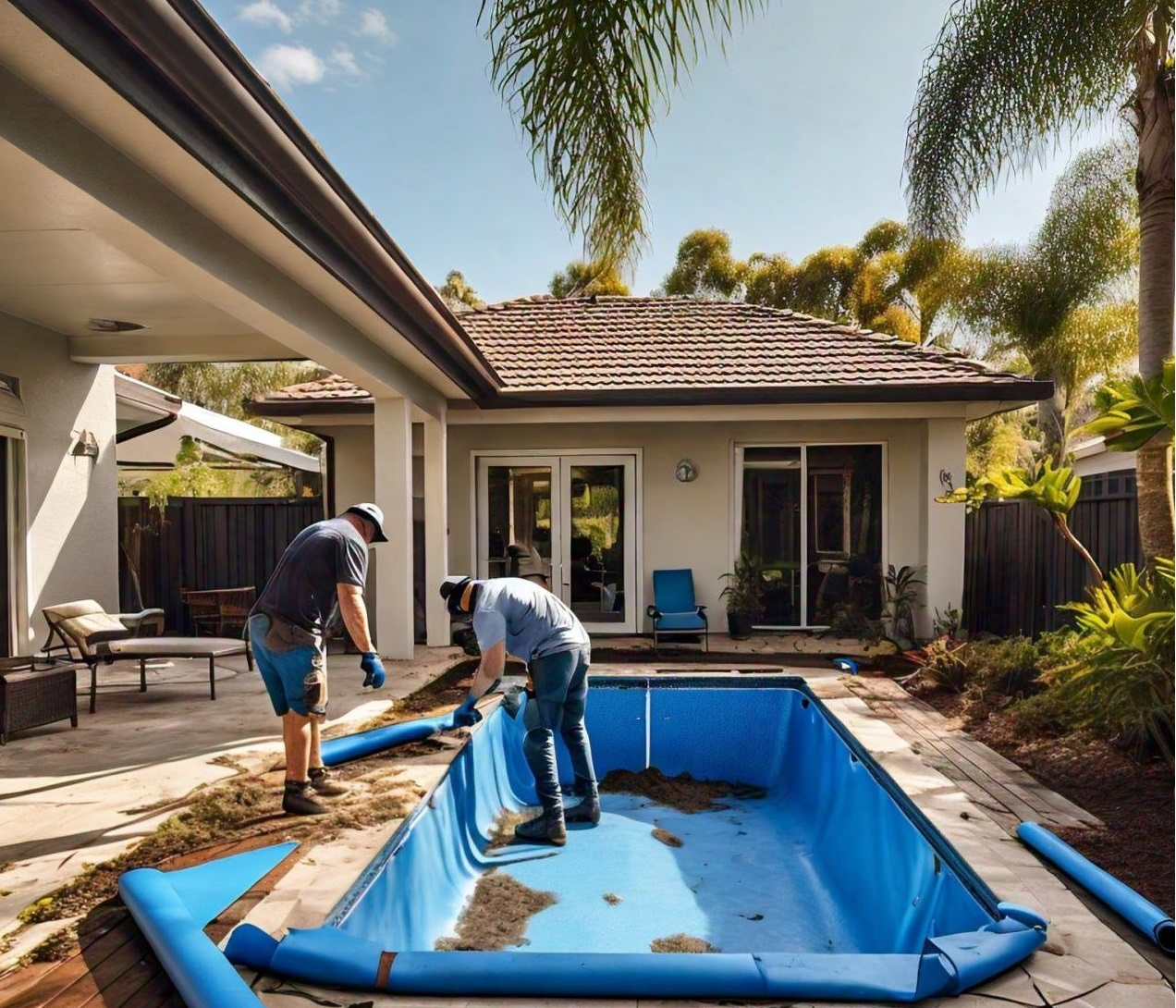
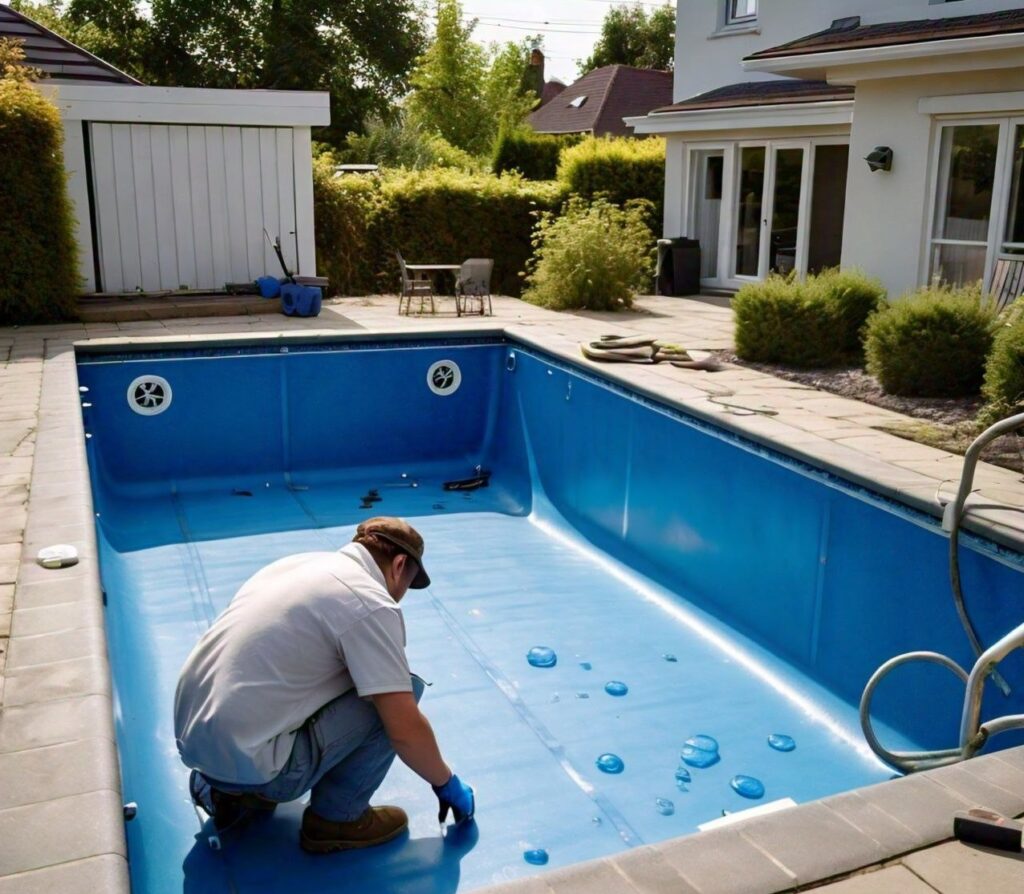
Begin by draining your pool to a level that allows easy access to the entire pool liner. This step ensures a thorough inspection without obstruction. Take safety precautions and follow manufacturer guidelines when draining your pool.
Step 2: Surface Examination
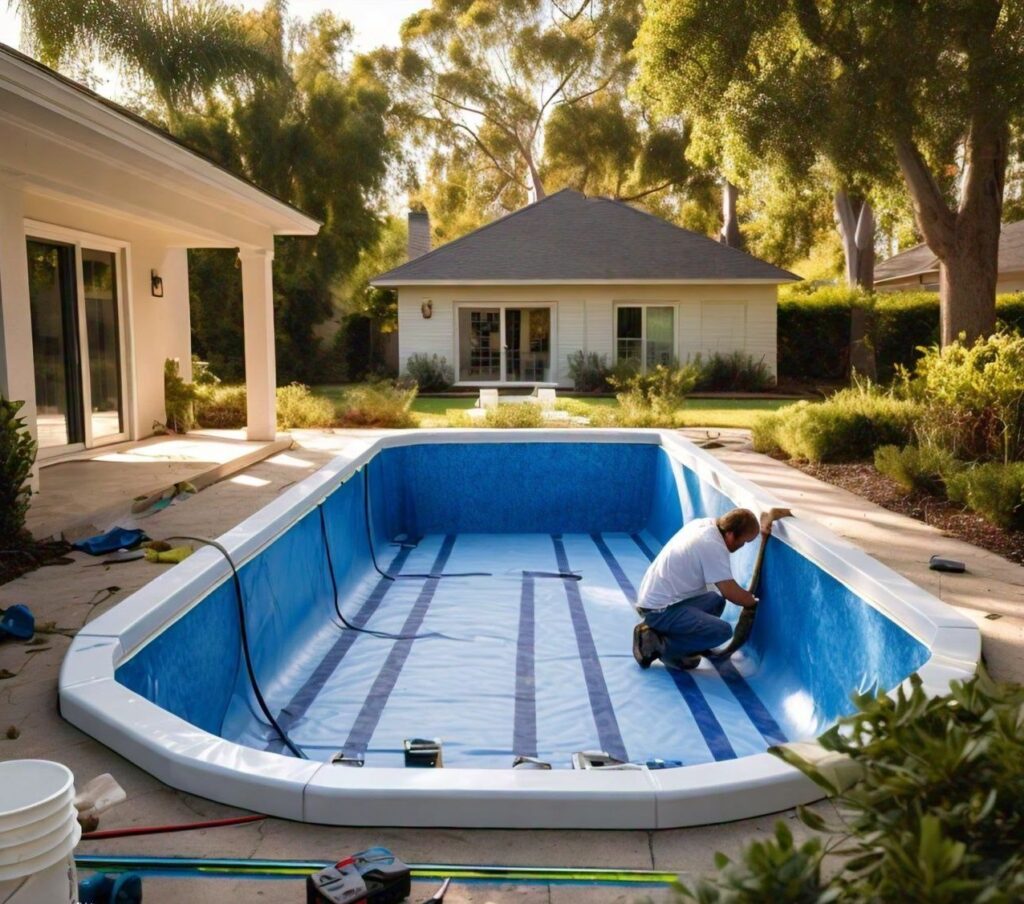
With the pool drained, visually inspect the pool liner’s surface for any irregularities. Look for tears, wrinkles, cracks, or areas of discoloration that may indicate underlying issues. Pay close attention to seams, corners, and fittings, as these areas are more prone to leaks.
Step 3: Leak Detection Techniques
To identify potential leaks, employ various detection techniques. Dye testing involves adding a dye solution near suspected leak areas and observing for color changes in the water. Pressure testing utilizes a pressure gauge to measure pressure loss, indicating a leak. Visual inspection with a flashlight can reveal subtle signs of leaks, such as air bubbles or water movement.

If you detect any issues during the inspection, it’s crucial to address them promptly. Ignoring pool liner leaks can lead to water loss, structural damage, and increased maintenance costs. By taking immediate action, you can prevent further damage and preserve the lifespan of your pool liner. To maintain a leak-free pool, implement preventative measures. Regularly clean your pool liner to remove debris and prevent buildup. Avoid sharp objects and abrasive materials that can damage the liner. Maintain proper chemical balance and seek professional maintenance when needed.
Tools and Equipment Needed
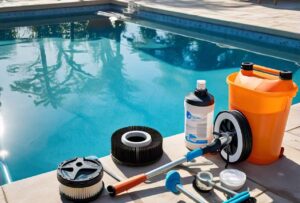
When it comes to ensuring the integrity of your pool liner, having the right tools and equipment at your disposal is essential. Here’s a rundown of what you’ll need to conduct a thorough pool liner inspection.
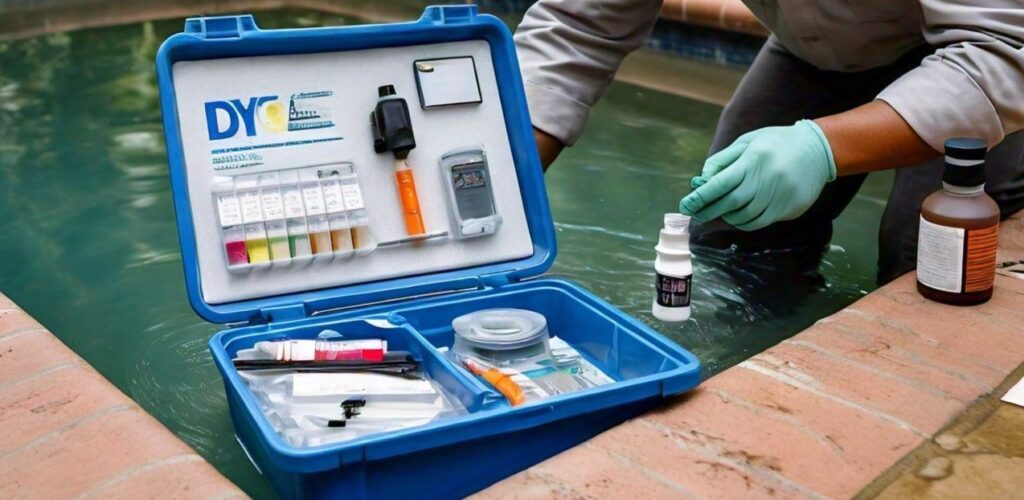
1. Dye Kits
Dye testing is a common method used to detect leaks in pool liners. These kits typically include a fluorescent dye that is injected into suspected areas where leaks may be occurring. The dye will be drawn towards any breaches in the liner, making it easier to identify problem areas.
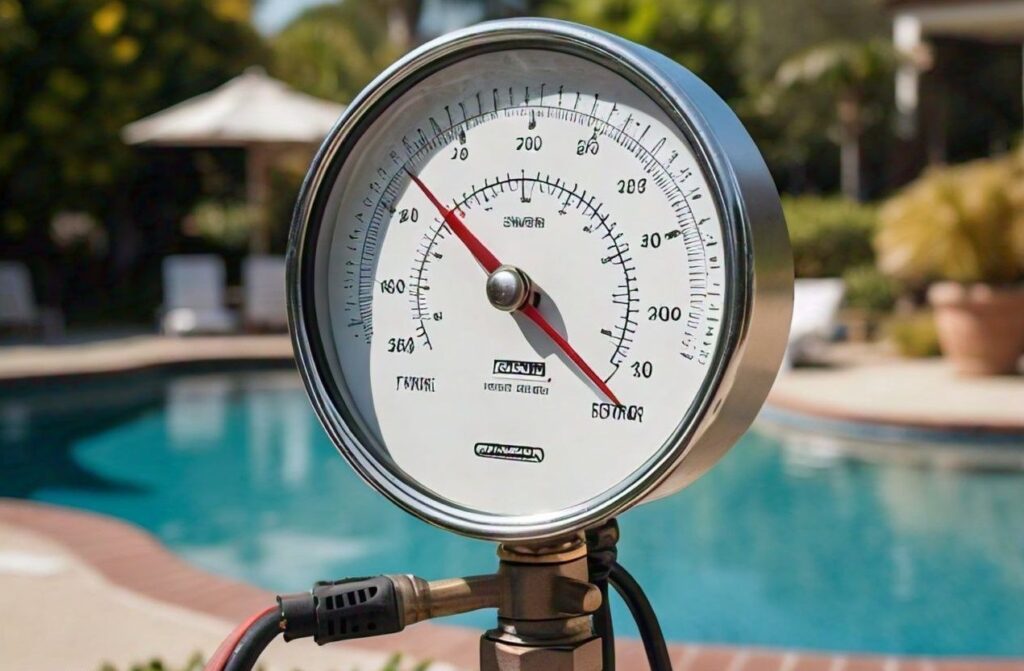
2. Pressure Gauges
Pressure testing is another effective technique for detecting leaks in pool liners. By pressurizing the pool plumbing system and monitoring for drops in pressure, you can pinpoint leaks that may be causing water loss. A pressure gauge is essential for accurately measuring pressure changes during the testing process.
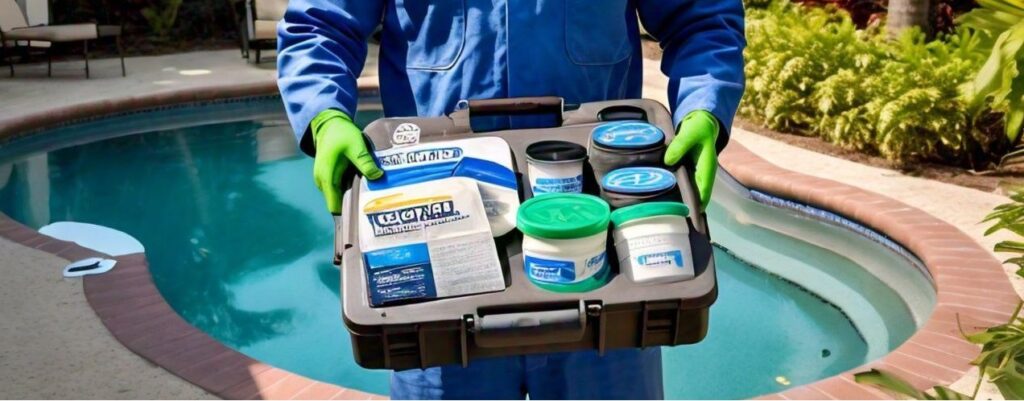
3. Patching Materials
In the event that you do discover a leak during your inspection, having patching materials on hand is crucial for making timely repairs. These materials may include vinyl patches, adhesive sealants, or specialized patch kits designed specifically for pool liners.
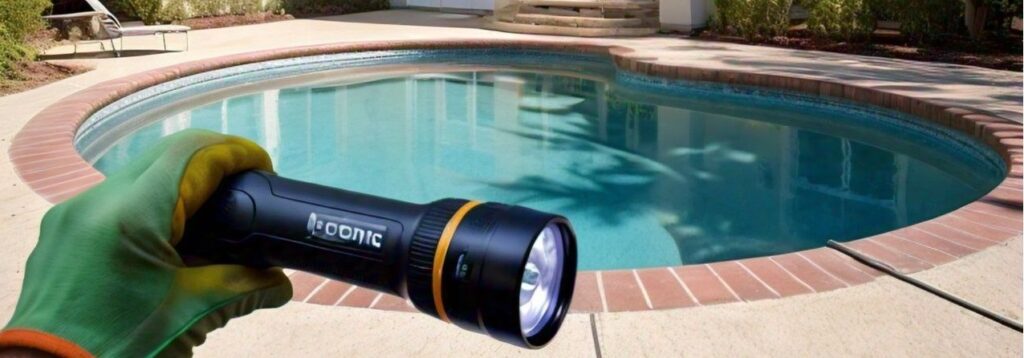
4. Flashlight
Proper lighting is key to conducting a thorough inspection of your pool liner, especially in areas that may be difficult to see. A high-quality flashlight will help illuminate any potential problem areas, such as seams, corners, and fittings, making it easier to identify leaks.
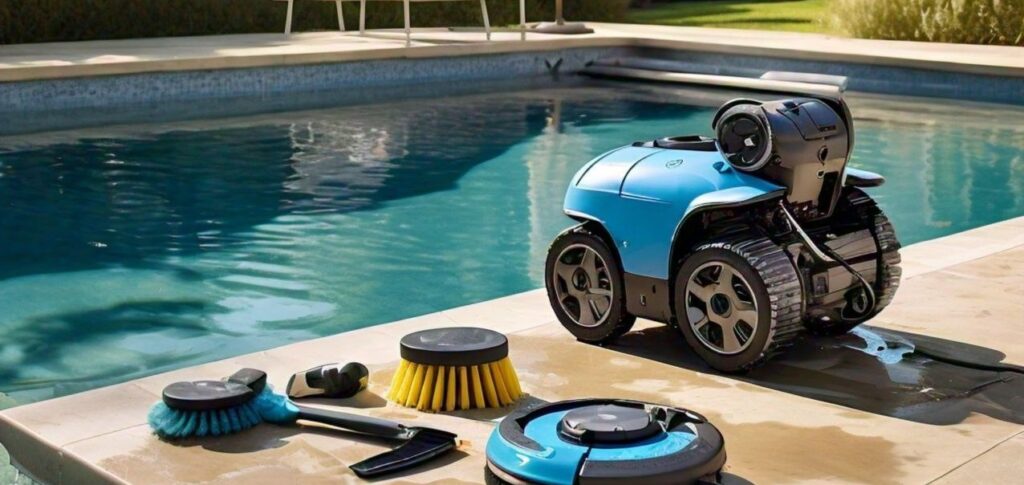
5. Pool Cleaning Tools
Before conducting your inspection, it’s important to ensure that the pool surface is clean and free of debris. Basic cleaning tools such as brushes, skimmers, and vacuum cleaners will help remove any dirt or algae buildup that could obscure your view during the inspection process.
By equipping yourself with these essential tools and equipment, you’ll be well-prepared to conduct a comprehensive inspection of your pool liner and detect any leaks that may be compromising its integrity. Remember, early detection and prompt repairs are key to preventing costly damage and ensuring years of enjoyment from your pool.
Importance of Prompt Repairs
When it comes to pool maintenance, addressing issues promptly can make all the difference. Pool liner leaks, if left unattended, can lead to various problems, including water loss, structural damage, and increased maintenance costs. Prompt repairs not only help prevent these issues but also extend the lifespan of your pool liner.
Detecting Pool Liner Leaks
Before diving into the repair process, it’s essential to detect pool liner leaks accurately. Signs of a leak may include visible tears or damage to the liner, a decrease in water level, or damp spots around the pool area. Utilizing tools such as dye kits or conducting a pressure test can help pinpoint the location of the leak.
The Repair Process
Once the leak is detected, it’s crucial to proceed with repairs promptly. Depending on the severity of the leak, patching materials such as vinyl patches or underwater adhesive may be used to seal the damaged area. For larger or more complex leaks, seeking professional assistance is recommended to ensure effective repairs.
Benefits of Prompt Repairs
Addressing pool liner leaks promptly offers numerous benefits. Firstly, it prevents further water loss, helping to maintain the pool’s water level and chemical balance. Additionally, prompt repairs minimize the risk of structural damage to the pool and surrounding areas, preserving the integrity of your investment.
Preventing Future Issues
Regular maintenance and inspection of your pool liner are essential for preventing future leaks. Simple measures such as avoiding sharp objects in the pool, maintaining proper chemical balance, and scheduling routine inspections can help identify and address potential issues before they escalate.
Tips for Preventing Pool Liner Leaks
1. Regular Cleaning
- Proper pool maintenance starts with regular cleaning. Remove debris from the pool surface and vacuum the pool floor to prevent abrasions that could damage the liner.
- Use a soft brush to gently scrub the pool walls and surfaces to prevent algae and buildup, which can weaken the liner over time.
2. Mindful Use
- Avoid sharp objects in the pool that could puncture or tear the liner. Educate pool users about the importance of being cautious with toys, floats, and other accessories.
- Trim nearby trees and bushes to prevent branches or roots from damaging the pool liner.
3. Balanced Chemicals
- Maintain proper chemical balance in the pool water to prevent corrosion and deterioration of the liner.
- Regularly test the pH, chlorine levels, and other chemical parameters and adjust as needed to keep the water balanced.
4. Temperature Control
- Extreme temperatures can affect the flexibility and integrity of the pool liner. Avoid drastic temperature changes by using a pool cover when the pool is not in use.
- Monitor and maintain the water temperature within recommended ranges to prevent thermal expansion or contraction of the liner.
5. Professional Inspections
- Schedule regular inspections by a professional pool technician to detect any signs of wear or damage to the pool liner.
- Address any issues promptly to prevent minor problems from escalating into major leaks.
6. Invest in Quality
- When installing or replacing a pool liner, invest in high-quality materials that are durable and resistant to wear and tear.
- Consider factors such as thickness, material composition, and warranty coverage when choosing a pool liner.