Introduction
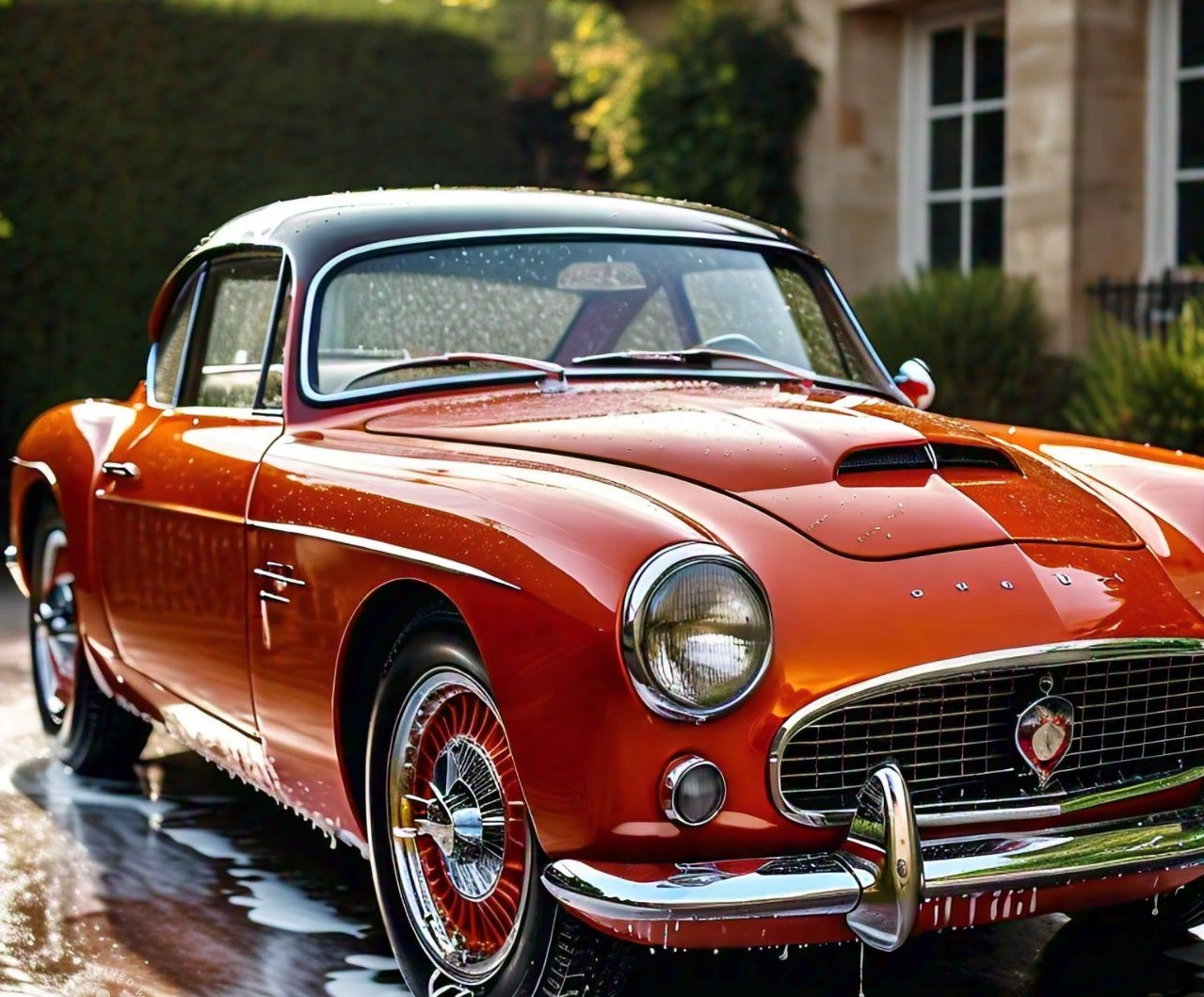
Maintaining the beauty of your classic car requires regular washing and waxing. These practices are essential for preserving the vehicle’s appearance and value. Regular cleaning removes dirt and grime that can damage the paint, while waxing adds a protective layer to guard against environmental elements.
In this article, we will explore the importance of classic car washing and provide you with effective washing techniques for vintage cars. We will also discuss car paint protection methods, delve into vintage car detailing practices, and offer tips on automotive paint care. By following these guidelines, you can keep your classic car looking brilliant and pristine for years to come.
Benefits of Regular Washing and Waxing
Preserving the Car’s Appearance
Regular washing and waxing play a crucial role in maintaining the look of your classic car. Dust, dirt, and grime can accumulate on the surface, dulling the paint and chrome. By frequently washing your car, you remove these contaminants, revealing the vehicle’s true shine. Waxing adds a layer of protection and enhances the car’s gloss, making it look vibrant and well-maintained. This practice ensures your classic car remains a head-turner on the road.
Protecting the Paint from Damage
The paint on classic cars is often more delicate and prone to damage compared to modern vehicles. Regular washing removes abrasive particles that can scratch and mar the paint surface. Waxing provides a protective barrier against UV rays, bird droppings, tree sap, and other environmental hazards. This shield prevents oxidation and fading, ensuring the paint retains its original color and luster.
Enhancing the Car’s Value
Maintaining the exterior condition of your classic car through regular washing and waxing can significantly enhance its value. Collectors and enthusiasts highly value vehicles that are well-preserved and look as close to their original condition as possible. A car with a spotless, well-maintained exterior not only fetches a higher price but also attracts more potential buyers. By investing time in washing and waxing, you protect your investment and ensure it remains a valuable asset.
By integrating these practices into your regular maintenance routine, you ensure your classic car remains in top condition. This not only keeps it looking great but also protects and enhances its value over time.
If your car is rusted, learn more by reading this article.
Classic Car Washing Techniques
Choosing the Right Cleaning Products
pH-Balanced Car Shampoos
- Why Use pH-Balanced Shampoos: These shampoos are gentle on the car’s paint and help maintain the shine without stripping away protective wax coatings. They prevent damage and ensure a thorough clean without harsh chemicals.
- Selecting the Best Products: Look for shampoos specifically labeled as pH-balanced and designed for automotive use. Avoid household detergents as they can be too abrasive.
Gentle Sponges and Microfiber Cloths
- Importance of Gentle Cleaning Tools: Using the right tools prevents scratches and swirl marks on the car’s paint. Microfiber cloths are particularly effective as they trap dirt and prevent it from rubbing against the paint.
- Recommended Tools: Choose high-quality, soft sponges or wash mitts for washing, and microfiber towels for drying and buffing. Ensure they are clean and free from debris before use.
Step-by-Step Washing Process
Initial Rinse
- Purpose of Initial Rinse: Start by rinsing the car with water to remove loose dirt and debris. This helps prevent scratching during the washing process.
- Technique: Use a hose with a gentle spray setting or a pressure washer on a low setting. Start from the top and work your way down.
Proper Washing Method
- Two-Bucket Method: Use two buckets – one for soapy water and one for rinsing the sponge or wash mitt. This reduces the risk of transferring dirt back onto the car.
- Washing Process: Soak the sponge or mitt in the soapy water, wash a section of the car, then rinse the sponge or mitt in the clean water before re-soaking in the soapy water. Repeat until the entire car is washed.
- Sections: Work in small sections, starting from the top and moving downwards. This prevents dirty water from running over clean areas.
Final Rinse and Drying
- Rinsing: After washing, thoroughly rinse the car again from top to bottom. Ensure all soap residues are removed to prevent streaks.
- Drying: Use clean microfiber towels to dry the car. Pat the surface rather than rubbing to avoid scratching. Pay special attention to crevices and joints where water can collect and cause rust.
Avoiding Common Mistakes
Using Harsh Chemicals
- Impact of Harsh Chemicals: Harsh chemicals can strip away wax, damage the paint, and lead to premature rusting.
- What to Avoid: Avoid using household cleaners, dish soap, or any product not specifically designed for car care.
Washing Under Direct Sunlight
- Why Avoid Sunlight: Washing a car under direct sunlight can cause the soap and water to dry quickly, leaving spots and streaks.
- Best Conditions: Wash the car in a shaded area or during cooler parts of the day, such as early morning or late afternoon.
Skipping the Drying Process
- Consequences of Skipping Drying: Allowing the car to air dry can lead to water spots and mineral deposits on the paint.
- Drying Importance: Always dry the car thoroughly with microfiber towels to maintain a spotless, shiny finish.
Car Paint Protection
Importance of Paint Protection
Preventing Oxidation and Fading
Paint protection is crucial for classic cars to prevent oxidation and fading. Over time, exposure to the sun’s UV rays can cause the paint to oxidize, leading to a dull and faded appearance. By using protective products, you can shield your car’s paint from harmful UV rays and maintain its vibrant color.
Protecting Against Environmental Damage
Classic cars are often exposed to various environmental elements such as rain, dirt, bird droppings, and tree sap. These elements can damage the paint if not properly protected. Applying paint protection products creates a barrier that helps to repel these contaminants and prevents them from causing lasting damage.
Types of Paint Protection
Waxes
Waxes are a popular choice for paint protection. They provide a shiny finish and a layer of protection against environmental elements. Natural waxes, like carnauba wax, offer a deep shine, while synthetic waxes provide longer-lasting protection.
Sealants
Sealants are synthetic products designed to offer more durable protection compared to waxes. They bond with the paint to create a strong barrier against contaminants. Sealants also provide a glossy finish and can last several months with proper maintenance.
Ceramic Coatings
Ceramic coatings are the most advanced form of paint protection. They form a hard, glass-like layer on the paint surface, offering superior protection against scratches, UV rays, and chemical contaminants. Ceramic coatings can last for years and provide a high level of gloss and hydrophobic properties, making the car easier to clean.
Applying Paint Protection Products
Preparing the Surface
Before applying any paint protection product, it’s essential to prepare the surface properly. This includes washing the car thoroughly to remove any dirt and debris. If the paint has imperfections such as scratches or swirl marks, it’s advisable to polish the surface to create a smooth base for the protective product.
Application Techniques
- Waxes: Apply a small amount of wax onto an applicator pad. Work in small sections, using circular motions to spread the wax evenly. Allow the wax to haze, then buff it off with a clean microfiber cloth.
- Sealants: Apply the sealant with an applicator pad, working in small sections. Let the sealant cure as per the product instructions, then buff off the residue with a microfiber cloth.
- Ceramic Coatings: Apply a few drops of ceramic coating onto an applicator pad. Apply in straight lines, ensuring even coverage. Allow the coating to flash (slightly haze), then buff it off with a microfiber cloth. Follow the curing time recommended by the manufacturer.
Maintenance Tips
Maintaining the paint protection involves regular washing and avoiding abrasive cleaners that can strip away the protective layer. Refer to the regular washing section for detailed washing techniques. For waxes and sealants, reapplication may be needed every few months. Ceramic coatings require less frequent maintenance but should be checked periodically to ensure they remain effective.
Vintage Car Detailing
Interior Detailing Tips
Cleaning Upholstery and Carpets
Start by vacuuming the interior to remove dust and debris. Use a soft brush attachment to avoid damaging delicate materials. For upholstery, use a specialized cleaner appropriate for the fabric type. Apply the cleaner with a soft cloth, working in small sections. For carpets, a carpet cleaner designed for automotive use is best. Ensure thorough drying to prevent mold and mildew.
Maintaining the Dashboard and Trim
Use a gentle cleaner to wipe down the dashboard and trim. Avoid harsh chemicals that can damage or discolor these surfaces. For wooden trim, use a wood-specific cleaner and polish. For plastic or metal trim, use a microfiber cloth and a cleaner designed for those materials. Regular maintenance helps keep these areas looking new and prevents cracking or fading.
Exterior Detailing Tips
olishing Chrome and Metal Parts
Chrome and metal parts add a classic touch to vintage cars but require regular polishing to maintain their shine. Use a chrome-specific polish and a soft cloth. Apply the polish in small amounts, working in circular motions. Buff the area until it shines. Regular polishing helps prevent rust and corrosion.
Cleaning and Protecting Tires and Wheels
Clean the tires and wheels with a dedicated cleaner. Use a brush to scrub away dirt and brake dust. After cleaning, apply a tire protectant to prevent cracking and fading. For wheels, use a wheel-specific cleaner and polish. Regular maintenance keeps the tires and wheels in good condition and enhances the overall appearance of the car.
Professional vs. DIY Detailing
Benefits of Professional Detailing
Professional detailing offers a thorough and expert cleaning of your classic car. Detailers have specialized tools and products that ensure every part of the car is meticulously cleaned and protected. This can save time and provide a level of care that is difficult to achieve at home. Professional detailing can also help maintain the car’s value by keeping it in top condition.
Tips for Effective DIY Detailing
For those who prefer to detail their cars at home, there are several tips to ensure effective results. Use high-quality products designed for classic cars. Work in a shaded area to prevent products from drying too quickly. Take your time with each step, ensuring thorough cleaning and protection. Regular DIY detailing can keep your car looking great and is a satisfying way to care for your vehicle.
Automotive Paint Care
Taking care of your classic car’s paint is crucial for maintaining its appearance and value. In this section, we will explore different types of automotive paint, common paint issues in classic cars, routine paint maintenance, and long-term paint preservation strategies.
Understanding Automotive Paint
Types of Automotive Paint
Classic cars often feature different types of paint compared to modern vehicles. Here are the main types:
- Acrylic Lacquer: Common in older cars, known for its high gloss but requires frequent maintenance.
- Acrylic Enamel: Durable and provides a hard shell, but can be challenging to apply.
- Urethane Paint: Offers excellent durability and UV resistance, making it a popular choice for restorations.
- Basecoat/Clearcoat: Modern two-step process where the basecoat provides color, and the clearcoat offers protection and shine.
Common Paint Issues in Classic Cars
Classic cars face several paint-related problems:
- Fading: Over time, UV rays can cause the paint to lose its original color.
- Oxidation: Exposure to air and moisture leads to a chalky surface.
- Peeling: Poor adhesion or old age can cause the paint to flake off.
- Scratches and Chips: Everyday use can result in minor damage that needs attention.
Routine Paint Maintenance
Regular Inspections
Regularly inspecting your car’s paint is essential for catching issues early. Look for signs of fading, oxidation, and scratches. Perform inspections in good lighting conditions, preferably natural daylight, to spot imperfections easily.
Touch-up Techniques for Minor Scratches and Chips
Minor scratches and chips are inevitable but can be managed with proper care:
- Clean the Area: Use a mild car wash solution and dry it thoroughly.
- Sand the Scratch: Lightly sand the area with fine-grit sandpaper to smooth out the edges.
- Apply Touch-Up Paint: Use a matching color and apply it with a fine brush or pen.
- Polish and Wax: Once the paint is dry, polish the area and apply wax for protection.
Long-Term Paint Preservation
Storing the Car Properly
Proper storage is key to preserving your car’s paint:
- Indoor Storage: Keep the car in a garage or storage facility to protect it from the elements.
- Climate Control: Maintain a stable temperature and humidity level to prevent condensation and rust.
Using Car Covers
Using a high-quality car cover can protect your paint from dust, moisture, and UV rays:
- Material: Choose a breathable, soft fabric to avoid scratching the paint.
- Fit: Ensure the cover fits snugly to prevent it from moving and causing abrasion.
- Usage: Use the cover even when the car is stored indoors for added protection.
Conclusion
Maintaining the shine and integrity of your classic car is crucial for preserving its value and appearance. Regular classic car washing using proper washing techniques for vintage cars ensures that dirt and grime are effectively removed without damaging the paint. Applying car paint protection products like waxes and sealants shields the surface from environmental damage and oxidation. Vintage car detailing helps maintain both the interior and exterior, keeping your vehicle in top condition.
To keep your classic car looking its best, make regular care routines a priority. By following the tips and techniques outlined in this article, you’ll ensure your classic car remains a source of pride and enjoyment for years to come. Implementing these automotive paint care strategies will not only enhance your car’s appearance but also protect it from long-term damage.