Introduction
In the shimmering heat of summer, there’s nothing quite like taking a refreshing dip in a crystal-clear pool. But behind that inviting blue water lies a delicate balance that keeps your pool safe and enjoyable: pool water testing.
Imagine this: You step into your backyard oasis, eager to dive into cool waters. But as you approach, something seems off. The water appears cloudy, and there’s a faint smell that wasn’t there yesterday. What could be wrong? It’s moments like these when understanding pool water chemistry becomes crucial.
So, let’s embark on a journey to demystify the world of pool water testing. From the basics of pool chemistry to the nitty-gritty of testing methods, we’ll explore everything you need to know to maintain a perfectly balanced pool.
First things first: why does pool water testing matter? Think of your pool as a delicate ecosystem, with each chemical level playing a vital role. From pH to chlorine, alkalinity to calcium hardness, these elements work together to keep your water clean and safe for swimming. But without regular testing, these levels can fluctuate, leading to cloudy water, algae growth, and even skin irritation.
That’s where pool water analysis comes in. By regularly testing your pool water, you can stay ahead of potential problems, ensuring that your pool remains a pristine paradise. But testing your water is only the first step. Interpreting the results and maintaining chemical balance is equally important. From adjusting pH levels to managing chlorine, we’ll dive deep into the intricacies of pool water chemistry.
But don’t worry, mastering pool water testing doesn’t have to be daunting. With the right knowledge and a bit of practice, you’ll become a pool chemistry pro in no time. So, grab your testing kit and let’s get started on the path to pool perfection.
If your having pool’s pump issue, we recommend you to read this article.
Why Pool Water Testing is Essential?
Picture this: It’s a bright, sunny day, and you’re ready to take a refreshing dip in your pool. But wait, before you dive in, have you ever stopped to think about what’s in the water? That’s where pool water testing comes in.
You see, the quality of the water in your pool isn’t just about making it look sparkling clean. It’s about ensuring the health and safety of everyone who swims in it. Imagine if the water was contaminated with harmful bacteria or algae. Not only could it lead to unpleasant infections or illnesses, but it could also put a damper on your fun pool time.
But it’s not just about keeping swimmers healthy. Maintaining balanced water chemistry is also crucial for the longevity of your pool equipment and surfaces. Think about it: if the water is too acidic or has too much chlorine, it can corrode pipes and damage pool liners. On the other hand, if the water is too alkaline, it can lead to scale buildup and clog filters.
In essence, by regularly testing your pool water and ensuring it’s properly balanced, you’re not just creating a safe and enjoyable swimming environment. You’re also protecting your investment and ensuring that your pool stays in tip-top shape for years to come. So, the next time you’re tempted to skip the water testing step, remember: it’s an essential part of pool ownership that shouldn’t be overlooked.
Understanding Pool Chemistry Basics
In order to keep your pool water clean, clear, and safe for swimming, it’s essential to understand the basics of pool chemistry. Imagine your pool as a delicate ecosystem where various chemical levels must be carefully balanced to maintain optimal conditions.
The Key Chemical Levels
pH: Think of pH as the measure of how acidic or basic your pool water is. Ideally, your pool’s pH should fall within the range of 7.2 to 7.6. This range ensures comfort for swimmers and helps prevent irritation to the eyes and skin.
Chlorine: Chlorine is your pool’s primary defense against harmful bacteria and algae. The ideal chlorine level for a swimming pool typically falls between 1.0 and 3.0 parts per million (ppm). This range ensures effective sanitation without causing skin or eye irritation.
Alkalinity: Alkalinity acts as a buffer to help stabilize your pool’s pH levels. The recommended alkalinity range for pool water is 80 to 120 ppm. Maintaining proper alkalinity levels helps prevent pH fluctuations and ensures water clarity.
Calcium Hardness: Calcium hardness refers to the amount of dissolved calcium in your pool water. The ideal calcium hardness range is typically between 200 and 400 ppm. Proper calcium hardness levels help prevent corrosion of pool surfaces and equipment, as well as scale formation.
Cyanuric Acid: Cyanuric acid, also known as stabilizer, helps protect chlorine from degradation by the sun’s UV rays. The recommended cyanuric acid level for outdoor pools is 30 to 50 ppm. This range helps maintain chlorine effectiveness and prolongs its lifespan.
Ideal Ranges for Each Chemical Level
Maintaining these chemical levels within their ideal ranges is crucial for ensuring your pool water remains clean, clear, and safe for swimming. When these levels are balanced, your pool water will feel comfortable, look inviting, and provide a pleasant swimming experience for you and your guests.
Remember, regular testing and adjustments are key to maintaining proper pool chemistry. By understanding and monitoring these key chemical levels, you can keep your pool water in perfect balance, allowing you to enjoy your swimming pool to the fullest.
Types of Pool Water Testing Kits
When it comes to testing your pool water, you have a few options at your disposal. Let’s take a look at the different types of pool water testing kits available and the pros and cons of each.
Test Strips
Test strips are perhaps the most straightforward option for testing your pool water. They’re easy to use and provide quick results. Simply dip the strip into the water, wait a few moments, and then compare the colors on the strip to the color chart provided.
Pros:
- Simple and easy to use
- Quick results
- Convenient for on-the-go testing
Cons:
- May not be as accurate as other testing methods
- Limited range of chemical tests compared to liquid or digital testers
Liquid Test Kits
Liquid test kits involve mixing reagents with a water sample from your pool to produce a color change. By comparing the resulting color to a chart, you can determine the concentration of various chemicals in your pool water.
Pros:
- More accurate than test strips
- Can test a wider range of chemical levels
- Generally more affordable than digital testers
Cons:
- Requires more time and effort than test strips
- Results may be subjective depending on color interpretation
Digital Testers
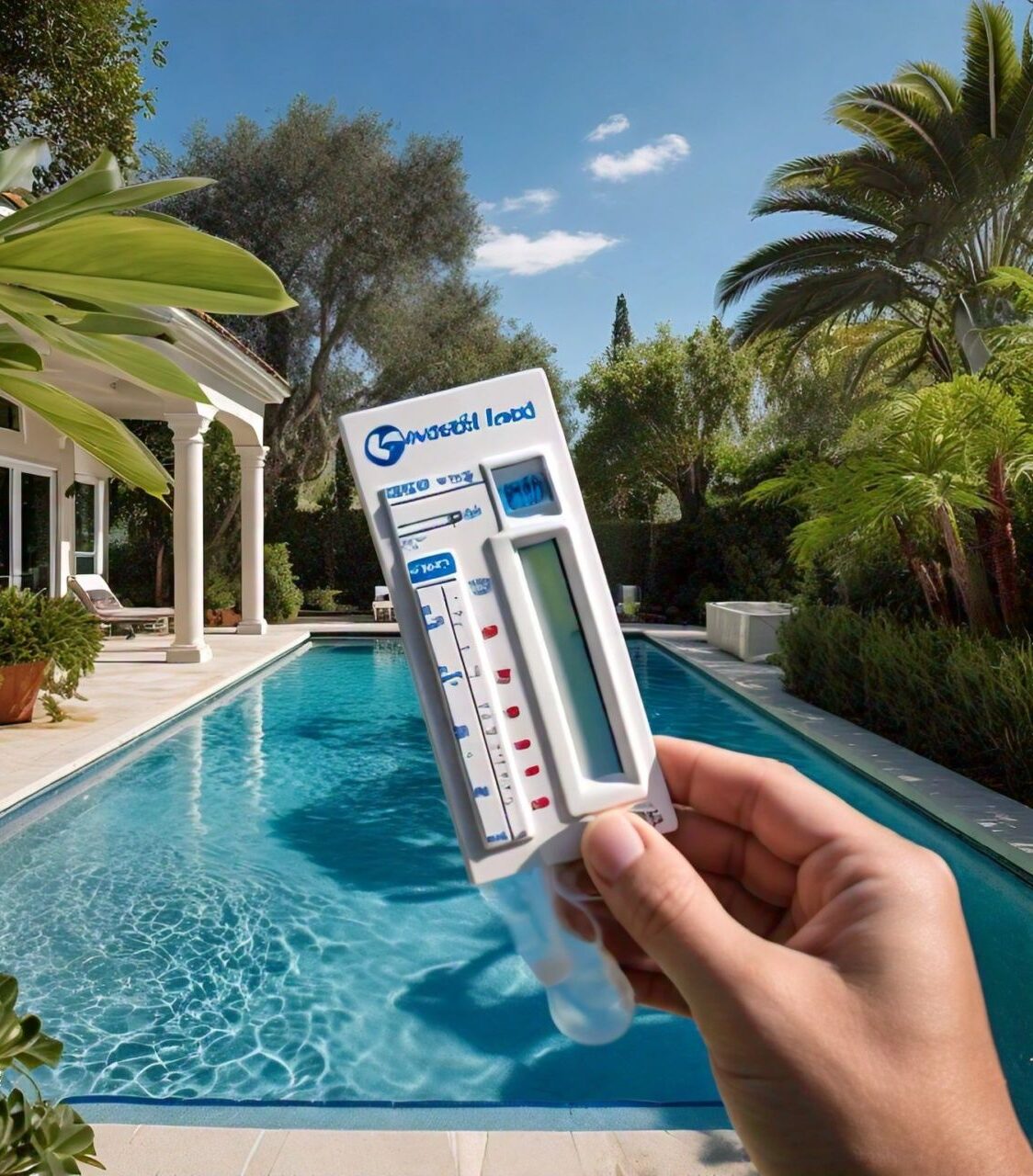
Digital testers offer precise and accurate measurements of your pool water’s chemical levels. These handheld devices use sensors to analyze the water sample and display the results digitally.
Pros:
- Highly accurate and precise measurements
- Wide range of chemical tests
- Easy to use and understand
Cons:
- Typically more expensive than other testing methods
- May require regular calibration to maintain accuracy
Choosing the right pool water testing kit ultimately depends on your personal preferences and needs. Test strips are convenient for quick, on-the-go testing, while liquid test kits offer more accuracy and versatility. Digital testers provide the highest level of precision but come at a higher cost. Whichever option you choose, regular testing is key to maintaining balanced pool water and ensuring a safe and enjoyable swimming experience.
If you are having leak in your pool, you can read this article.
Step-by-Step Guide to Testing Pool Water
Testing your pool water is like checking the heartbeat of your pool. It’s a simple but vital process that ensures your pool stays healthy and inviting. Let’s walk through the steps together.
Preparation Steps Before Testing
Before diving into testing, ensure your hands are clean and dry. Any dirt or residue can affect the accuracy of your results. Keep your test kit handy, whether it’s test strips, liquid kits, or digital testers.
Using Test Strips
Test strips are the quick and easy option for checking your pool’s chemical levels. Simply dip the strip into the water, making sure it’s fully submerged. After a few seconds, compare the colors on the strip to the color chart provided with your kit. Each color corresponds to a different chemical level. It’s like matching colors in a painting!
Using Liquid Test Kits
Liquid test kits offer a bit more precision. Start by filling the test tubes with pool water up to the marked line. Add the appropriate number of drops of each reagent as instructed. Then, shake or swirl the tubes to mix the contents. The color of the water will change based on the chemical levels present. Compare the colors to the chart provided to determine your pool’s chemistry.
Using Digital Testers
For those who prefer modern technology, digital testers provide accurate and easy-to-read results. Simply dip the probe into the pool water and wait for the device to display the readings. It’s like magic – within seconds, you’ll have a clear picture of your pool’s chemical balance.
Testing your pool water is like conducting a science experiment in your backyard. By following these simple steps, you can ensure your pool remains a safe and enjoyable oasis for you and your loved ones. So, grab your test kit and let’s keep that pool sparkling!
Interpreting Test Results
So, you’ve done the test, and now you’re faced with a strip or vial of colors. What do they mean? Don’t worry; it’s not as daunting as it may seem.
How to Read and Understand Test Results
Imagine your pool test kit as a friend, giving you a report card on your pool’s health. Each color on the test strip or chart represents a different aspect of your pool’s chemistry.
Let’s start with pH, the measure of how acidic or basic the water is. If the color matches the pH level you’re aiming for (typically between 7.2 and 7.6), congratulations! Your pool’s pH is balanced. If it’s too high or too low, don’t fret; we’ll get to fixing that soon.
Next up, chlorine levels. Just like pH, you want to hit the sweet spot here. Too much chlorine can irritate skin and eyes, while too little won’t keep your pool clean. Aim for a chlorine level between 1.0 and 3.0 parts per million (ppm).
Now, let’s talk about alkalinity and calcium hardness. These two are like the supporting actors in your pool chemistry drama. They help stabilize pH levels and prevent corrosion or scaling. Alkalinity should be between 80 and 120 ppm, while calcium hardness should be between 200 and 400 ppm.
Common Issues Identified by Test Results and How to Address Them
So, what if your test results aren’t picture-perfect? Don’t panic; there are solutions for every problem.
If your pH is too high, you can use pH decreaser to bring it down. Too low? Add pH increaser to raise it up.
For chlorine levels, if they’re too low, shock your pool to give it a boost. If they’re too high, simply wait for them to drop naturally over time.
Alkalinity and calcium hardness can be adjusted using specific chemicals as well. Just follow the instructions on the product label and retest after a few hours to ensure the levels are within range.
Remember, regular testing and maintenance are key to keeping your pool water sparkling and inviting. By understanding and interpreting your test results, you’re well on your way to becoming a pool chemistry pro!
Maintaining Chemical Balance
Once you’ve mastered the art of testing your pool water, the next step is ensuring that its chemical balance remains optimal. This is crucial for keeping your pool clean, safe, and enjoyable for swimming.
Tips for Adjusting pH Levels
Let’s start with pH levels, which measure how acidic or basic your pool water is. Maintaining the right pH balance is essential for preventing irritation to swimmers’ skin and eyes, as well as protecting your pool equipment from corrosion.
If your pH levels are too high, you can lower them by adding pH decreaser, also known as pH minus, to your pool water. Follow the instructions on the product carefully, and remember to retest the water after a few hours to ensure the desired pH level is reached.
Conversely, if your pH levels are too low, you can raise them by adding pH increaser, also known as pH plus. Again, follow the product instructions and retest the water after a few hours to confirm that the pH has stabilized.
Managing Chlorine and Sanitizer Levels
Chlorine and other sanitizers play a crucial role in keeping your pool water free from harmful bacteria and algae. Maintaining the proper chlorine levels ensures that your pool remains clean and safe for swimming.
Regularly test your pool water for chlorine levels using your chosen testing method. If the chlorine levels are too low, you can add chlorine granules or tablets to the pool water to raise them to the recommended range. Be sure to follow the manufacturer’s instructions for the correct dosage based on your pool size.
On the other hand, if chlorine levels are too high, you can lower them by allowing the chlorine to naturally dissipate over time or by diluting the pool water with fresh water. It’s essential to retest the water regularly to ensure that the chlorine levels remain within the optimal range.
Balancing Alkalinity and Calcium Hardness
Alkalinity acts as a buffer for pH levels, helping to prevent rapid fluctuations in acidity or basicity. Calcium hardness, on the other hand, measures the concentration of dissolved calcium ions in the water, which is essential for preventing corrosion of metal components in your pool.
To adjust alkalinity levels, you can use an alkalinity increaser or decreaser, depending on whether your levels are too high or too low. Follow the product instructions carefully and retest the water after a few hours to confirm that the alkalinity has stabilized.
Similarly, to balance calcium hardness levels, you can use calcium hardness increaser or decreaser as needed. Again, follow the product instructions and retest the water to ensure that the calcium hardness is within the recommended range.
Using Stabilizers like Cyanuric Acid
Cyanuric acid, also known as stabilizer or conditioner, helps to protect chlorine from degradation due to UV rays from the sun. It’s especially important for outdoor pools exposed to sunlight.
To maintain cyanuric acid levels, you can add stabilizer products to your pool water as needed. Follow the manufacturer’s instructions for the correct dosage based on your pool size, and retest the water periodically to ensure that the cyanuric acid levels remain within the recommended range.
By following these tips for maintaining chemical balance in your pool, you can ensure that your pool water remains clean, clear, and safe for swimming all season long. Regular testing and adjustments are key to keeping your pool in top condition and maximizing your enjoyment of it.
Regular Testing Schedule
Maintaining a regular testing schedule is the key to keeping your pool water clean and safe for swimming. By testing your pool water regularly, you can catch any imbalances or issues early on, preventing larger problems down the line.
Recommended Frequency for Testing
Ideally, you should test your pool water at least once a week, especially during the swimming season when the pool is in frequent use. This allows you to monitor the chemical levels and make any necessary adjustments to keep the water balanced.
Seasonal Adjustments in Testing Frequency
During the peak summer months when the pool is used more frequently and temperatures are higher, you may need to increase the frequency of testing to twice a week or even more often. Warmer temperatures can accelerate the growth of algae and bacteria, so it’s important to stay vigilant and keep a close eye on your pool chemistry.
Conversely, in the offseason or during colder months when the pool is not in use as often, you can reduce the testing frequency to once every two weeks or once a month. However, even during periods of low usage, it’s still important to test the water regularly to prevent any issues from arising and to ensure that the pool is ready for use when the swimming season begins again.
Troubleshooting Common Issues
Dealing with cloudy water in your pool can be frustrating, but fear not! Cloudiness often indicates imbalanced chemical levels or poor filtration. Start by testing your pool water using your trusty pool water testing kit. If the tests reveal high levels of organic contaminants or improper chemical balance, it’s time to take action.
One common culprit of cloudy water is algae growth. Algae thrive in unbalanced water conditions, especially when chlorine levels are too low. If your pool water tests positive for algae, it’s essential to shock your pool to kill off the algae and restore water clarity. Follow the instructions on your shock treatment carefully, and be sure to brush and vacuum the pool to remove any remaining algae debris.
But what if cloudy water isn’t the only problem you’re facing? Perhaps you’ve noticed eye and skin irritation after swimming, indicating the presence of irritating contaminants in the water. This issue could stem from inadequate sanitation or improper pH levels. Testing the pool water for chlorine and pH balance is crucial in this situation. Adjusting the chemical levels accordingly can help alleviate discomfort and ensure a more pleasant swimming experience for you and your guests.
Another common issue pool owners encounter is scaling and corrosion, which can occur when calcium hardness levels are too high or pH levels are too low. Scaling appears as white, chalky deposits on pool surfaces, while corrosion manifests as rust-colored stains or pitting. If you suspect scaling or corrosion, test your pool water for calcium hardness and pH balance. Adjusting these levels as needed can help prevent further damage and restore the beauty of your pool.
In summary, troubleshooting common pool issues requires a systematic approach and regular water testing. By staying vigilant and addressing imbalances promptly, you can enjoy crystal-clear water and a safe swimming environment all season long. Remember, maintaining proper pool chemistry is key to keeping your pool sparkling clean and inviting for everyone to enjoy.