Introduction
Ensuring pool safety is crucial for every pool owner. Proper pool safety equipment can prevent accidents and create a secure environment for everyone. This guide provides detailed information on essential pool safety devices, tools, and accessories to help you maintain a safe swimming area. We will cover everything from pool safety fences to regular safety checks and emergency preparedness. By the end of this guide, you’ll have a comprehensive understanding of how to keep your pool area safe and secure.
Why is Pool Safety Important?
Swimming pools are a great source of fun and relaxation, but they can also be dangerous if not properly secured. Accidents can happen quickly and without warning, especially with children and pets around. Using the right pool safety equipment can significantly reduce the risk of drowning and other pool-related accidents.
Pool Safety Equipment: An Overview
Ensuring your pool area is safe is crucial for preventing accidents and protecting your loved ones. In this section, we will explore the various types of pool safety equipment that can enhance the security of your swimming pool. Understanding these components and their importance will help you make informed decisions about what you need for your pool.
Key Components of Pool Safety Equipment
1. Pool Fences
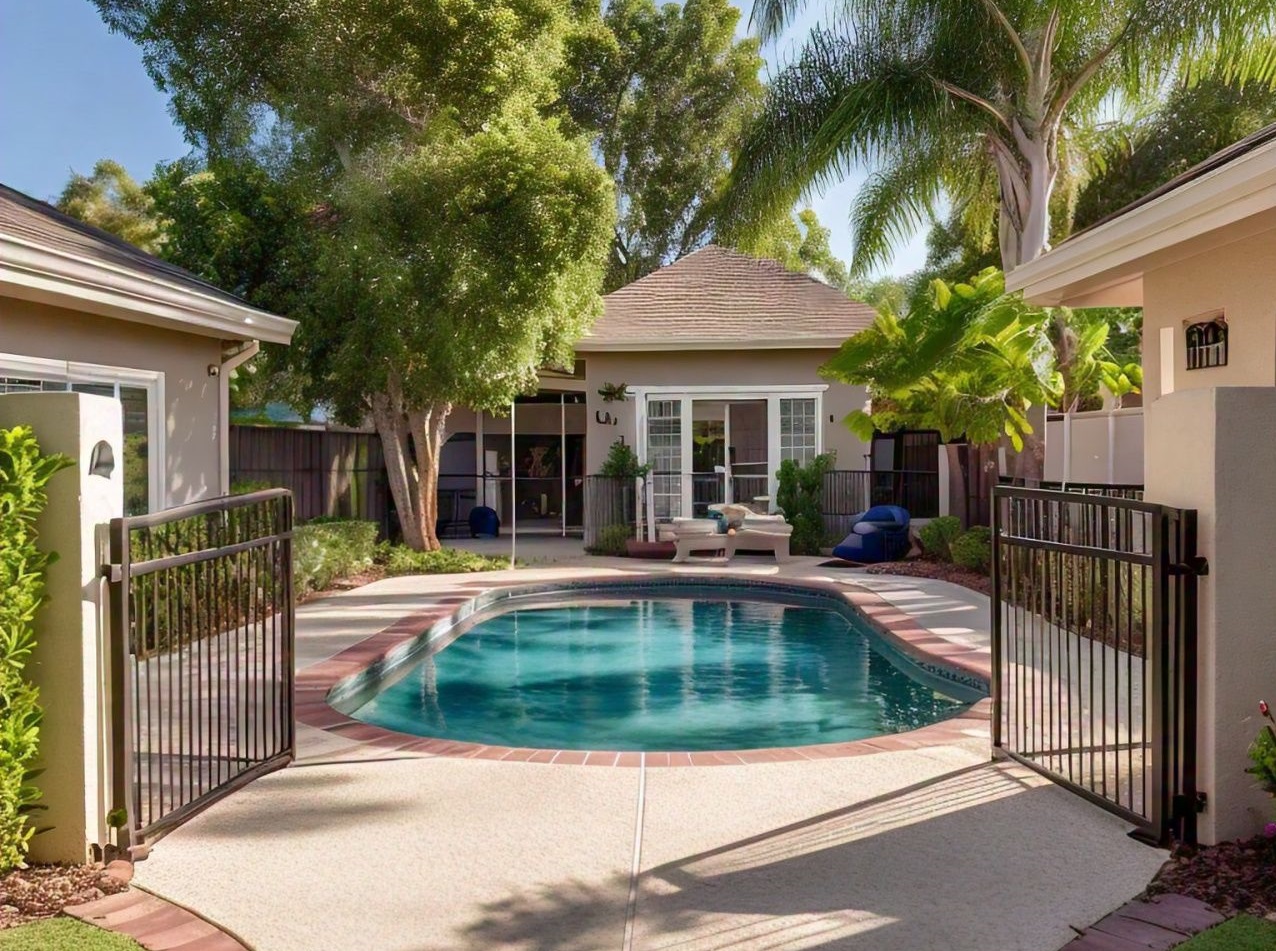
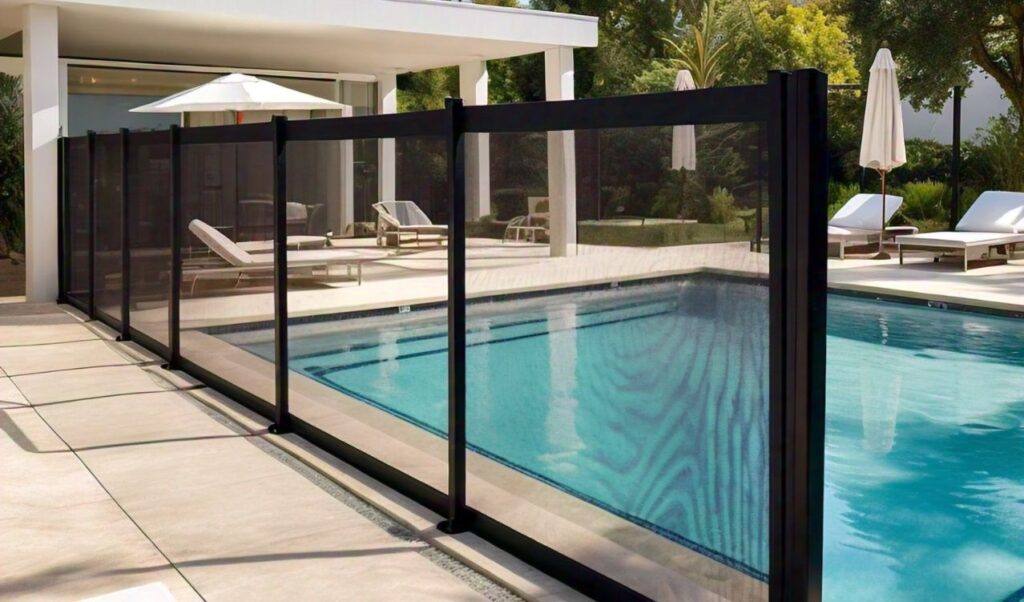
Pool fences are essential for keeping unauthorized people, especially children, away from the pool. A sturdy, self-closing, and self-latching gate adds an extra layer of security. When choosing a pool fence, consider materials like aluminum, vinyl, or mesh, which are durable and weather-resistant.
2. Pool Alarms
There are different types of pool alarms, each designed to alert you to potential dangers. Door alarms sound when a door leading to the pool is opened. Surface wave alarms detect disturbances on the pool’s surface. Underwater motion alarms sense movement in the water. Installing these alarms can help you react quickly to any unauthorized access or accidents.
3. Pool Covers
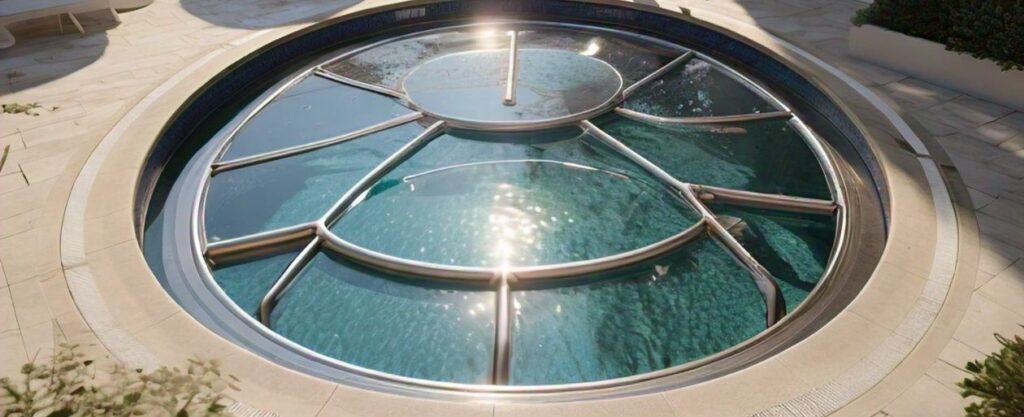
Pool covers serve multiple purposes, from keeping debris out of the pool to providing a safety barrier. Safety covers, in particular, are strong enough to prevent accidental falls into the pool. They come in various types, such as solar covers, winter covers, and automatic covers. Regularly using a pool cover can greatly enhance safety.
4. Life-Saving Equipment
Every pool should have essential life-saving equipment readily available. This includes life rings, reaching poles, and first aid kits. These tools are vital in emergencies and can make a significant difference in response times.
5. Child Safety Gadgets
For families with young children, additional safety gadgets are crucial. Pool ladders with child-proof locks, pool gates, and alarms specifically designed for child safety can provide extra protection. These gadgets ensure that children cannot access the pool area unsupervised.
Benefits of Using Pool Safety Equipment
Investing in pool safety equipment provides numerous benefits. It helps prevent accidents, reduces the risk of drowning, and gives you peace of mind knowing your pool area is secure. Properly installed and maintained safety equipment can significantly enhance the safety of your swimming pool.
Ensuring Proper Installation and Maintenance
To get the most out of your pool safety devices, ensure they are correctly installed and regularly maintained. Follow manufacturer guidelines for installation and perform routine checks to ensure everything is functioning as it should. Regular maintenance helps in early detection of any issues, ensuring your safety measures remain effective.
Choosing the Right Pool Safety Equipment
When selecting pool safety tools, consider the specific needs of your pool area. Evaluate the size, location, and who will be using the pool. Tailor your safety equipment choices to address these factors effectively. Consulting with a pool safety expert can also provide valuable insights.
Pool Safety Fences
Pool safety fences are one of the most effective tools to prevent accidents and ensure the safety of everyone around the pool. They act as a barrier to keep unsupervised children and pets away from the pool area. In this section, we’ll cover the different types of pool safety fences, their benefits, installation tips, and maintenance practices.
Types of Pool Safety Fences
There are several types of pool safety fences available, each with its own set of features and benefits. Here are the most common types:
- Mesh Fences: These are popular due to their flexibility and ease of removal. They are made of a strong, see-through material that can withstand various weather conditions.
- Metal Fences: Usually made of aluminum or steel, these fences are durable and provide a sturdy barrier around the pool.
- Glass Fences: These fences offer an unobstructed view of the pool area while providing safety. They are made of tempered glass panels and are often chosen for their aesthetic appeal.
- Wood Fences: These fences provide a natural look and can be customized to fit the style of your backyard. However, they require regular maintenance to prevent rot and decay.
- Vinyl Fences: Known for their low maintenance, vinyl fences are resistant to weather and UV damage. They come in various styles and colors to match your outdoor décor.
Benefits and Features
Pool safety fences offer numerous benefits, including:
- Enhanced Safety: They prevent accidental falls into the pool, especially for children and pets.
- Privacy: Some fence types, like wood and vinyl, offer added privacy for your pool area.
- Aesthetic Appeal: Glass and well-designed metal fences can enhance the look of your backyard.
- Regulatory Compliance: In many areas, pool fences are required by law to meet specific safety standards.
Installation Tips and Best Practices
Proper installation is crucial for the effectiveness of pool safety fences. Here are some tips to ensure a secure and compliant installation:
- Height and Gap Regulations: Ensure that the fence height meets local safety regulations, typically at least 4 feet tall. Check for any gaps that could allow a child to squeeze through.
- Secure Gates: Gates should be self-closing and self-latching, with the latch placed high enough to be out of reach of small children.
- Sturdy Materials: Use materials that can withstand the local climate and are resistant to corrosion and wear.
- Professional Installation: While DIY installation is possible, hiring a professional ensures that the fence is installed correctly and meets all safety standards.
Maintenance and Inspection
Regular maintenance and inspection of pool safety fences are essential to ensure they remain effective:
- Routine Checks: Inspect the fence regularly for any signs of damage or wear. Look for loose posts, broken latches, or any gaps that need to be addressed.
- Cleaning: Depending on the material, clean the fence periodically to remove dirt, mold, and debris. For example, use a mild detergent and water for glass and vinyl fences.
- Repairs: Promptly repair any damage to maintain the fence’s integrity. Replace broken panels, tighten loose screws, and fix any malfunctioning gates or latches.
- Seasonal Maintenance: Before the start of each swimming season, perform a thorough inspection and maintenance check to ensure the fence is in optimal condition.
Pool Safety Devices
Pool safety devices are essential for ensuring the safety of everyone around your pool. These devices alert you to potential dangers and help prevent accidents. In this section, we will cover the different types of pool safety devices, their benefits, and how to install and maintain them.
Types of Pool Safety Devices
1. Door Alarms:
Door alarms alert you when someone opens a door that leads to the pool area. This is especially useful if you have small children who might wander into the pool area unsupervised. A simple photo showing a door alarm installed on a door leading to a pool area can illustrate how it works.
2. Gate Alarms:
Gate alarms are similar to door alarms but are installed on gates that provide access to the pool area. They emit a loud sound when the gate is opened, alerting you to potential danger. A photo of a gate alarm in action on a pool gate would be helpful here.
3. Surface Wave Alarms:
These alarms are placed in the pool and detect disturbances in the water. When a significant wave or ripple is detected, the alarm sounds, notifying you of potential trouble. An image showing a surface wave alarm floating in a pool can help visualize this device.
Benefits of Pool Safety Devices
Pool safety devices offer numerous benefits:
- Enhanced Safety: They provide an extra layer of protection, especially for children and pets.
- Peace of Mind: Knowing you have these devices in place can help you feel more secure about the safety of your pool.
- Early Warning: These devices alert you to potential dangers, allowing you to respond quickly.
Installation and Maintenance of Pool Safety Devices
1. Door Alarms:
- Installation: Most door alarms are easy to install. Simply attach the alarm to the door frame and the magnet to the door. Ensure they align properly to trigger the alarm when the door is opened.Maintenance: Regularly check the batteries and test the alarm to ensure it is functioning correctly. 2. Gate Alarms:
- Installation: Install gate alarms on the pool gate, ensuring the sensor and magnet align properly. Follow the manufacturer’s instructions for specific installation steps.Maintenance: Like door alarms, check the batteries regularly and test the alarm to ensure it works. 3. Surface Wave Alarms:
- Installation: Place the surface wave alarm in the pool, ensuring it floats properly and can detect water disturbances. Follow the manufacturer’s guidelines for positioning.Maintenance: Clean the alarm regularly to remove any debris or buildup. Test it periodically to ensure it is sensitive to water movements.
Choosing the Right Pool Safety Devices
When selecting pool safety devices, consider the following factors:
- Pool Type and Size: Different alarms are suited for different pool types and sizes. Choose one that matches your pool’s specifications.
- Ease of Use: Select devices that are easy to install and use. This ensures you can set them up quickly and maintain them with ease.
- Reliability: Choose reliable devices with good reviews and recommendations. This ensures they will function correctly when needed.
Pool safety devices are a crucial part of maintaining a safe swimming environment. By integrating these devices with other pool safety equipment and following regular safety checks, you can significantly reduce the risk of accidents and ensure your pool is a safe place for everyone.
Pool Safety Checklist
Inspect Pool Safety Fences
- Check for any damage or wear on the fence.
- Ensure the gate is self-closing and self-latching.
- Verify the height and spacing of the fence comply with local regulations.
Test Pool Safety Devices
- Test all pool alarms to ensure they are working correctly.
- Check batteries and replace them if necessary.
- Verify that all safety devices are properly installed and functional.
Examine Pool Covers
- Inspect for any tears or damage in the pool cover.
- Ensure the cover fits securely over the pool.
- Clean the cover regularly to prevent debris buildup.
Review Pool Safety Tools
- Make sure life-saving equipment like life rings and reaching poles are accessible.
- Inspect child safety gadgets, such as pool ladders and gates, for any wear.
- Keep all tools and gadgets in good condition and easily reachable.
Conduct Regular Water Quality Tests
- Test the pool water for proper chemical balance.
- Adjust pH, chlorine, and other chemical levels as needed.
- Maintain a regular water testing schedule.
Check for Hazards Around the Pool Area
- Remove any potential trip hazards from the pool deck.
- Ensure poolside furniture is stable and secure.
- Keep electrical devices away from the pool.
Educate Family and Guests on Pool Safety
- Share safety rules and guidelines with all pool users.
- Highlight the importance of supervision, especially for children.
- Display pool safety signs and markings around the pool area.
Prepare for Emergencies
- Keep a first aid kit near the pool.
- Ensure that someone in the household is trained in CPR.
- Develop and share an emergency action plan with all family members.
Schedule Routine Maintenance
- Plan regular inspections and maintenance for all pool equipment.
- Keep a maintenance log to track repairs and servicing.
- Address any issues promptly to maintain a safe swimming environment.
Having a crystal clear water in a pool is vital for your pool safety. You can read more about it here
Conclusion
Ensuring the safety of your pool is crucial for preventing accidents and creating a secure swimming environment. By using the right pool safety equipment such as fences, alarms, and covers, you can greatly reduce the risk of incidents. Regular safety checks and maintenance are also essential to keep all your pool safety devices in optimal working condition.
Remember to incorporate essential tools like life rings and reaching poles, and make sure all safety gadgets are properly installed and maintained. Educating family and guests on pool safety is just as important as having the right equipment. This includes understanding the use of pool safety tools and the importance of supervision.
Finally, being prepared for emergencies with a well-thought-out emergency action plan can make all the difference in a critical situation. By following the guidelines and tips provided in this guide, you can enjoy a safe and worry-free swimming experience. Keep your pool secure, and always prioritize safety.